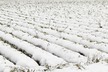
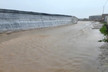
Heavy fall rains have returned to Western Washington, but east of the Cascade crest, growers continue to wait for sustained precipitation. The region has faced three consecutive years of low rainfall and limited snowpack, creating prolonged stress across cropping systems.
Producers report removing apple orchards by the acre as water shortages persist. Irrigation canals extending for miles are leaking and deteriorating. The area is described as the centre of Washington's drought conditions.
Growers cite a combination of challenges, including poor demand for some crops, trade disruptions, rising production costs, and drought. The region is home to more than 400,000 people and an agriculture sector valued at about US$4.5 billion. It produces more than one-sixth of Washington's annual agricultural output.
This year is among the driest in recent memory, following severe drought in the previous two years. Statewide, the April–July period was the third-driest on record since 1895. Mountain snowpack across the Cascades melted early, and rainfall totals in eastern counties remained low. Adams, Franklin, Garfield, Grant, Spokane, Walla Walla, and Whitman counties recorded their driest June on record, with some receiving no measurable rainfall. Rivers and streams ran dry, and reservoirs in the Yakima River Basin fell to their lowest levels in decades.
State authorities recently ordered shutoffs of surface water supplies for farms, ranches, and municipalities. Several areas had already exhausted their water resources weeks earlier. Long-term solutions will require multiple years and substantial investment, with projected costs reaching into the hundreds of millions of dollars. Growers note that many in the region do not have the time or financial capacity to wait for large-scale projects to be completed.
Source: Seattle Times