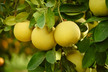
CPJ Erasmus & Seun operates a mixed fruit and vegetable business in the Letsitele Valley, with 350 ha dedicated to vegetables and 700 ha to citrus. Bell peppers remain the main crop, supported by sweetcorn, butternut, and small volumes of green beans. Citrus includes pomelo, oranges, soft citrus, and lemons aimed at export markets, while avocados are grown for Europe, Russia, and the Far East. Most vegetable production is for domestic channels, with some peppers exported to island markets.
Pepper production has moved away from open fields toward shade-net and greenhouse systems. Erasmus Jnr notes that peppers stop growing below 10–12 °C and above 35 °C, and temperature fluctuations reduce yield and fruit quality. Nets are used to reduce heat, solar load, wind damage, birds, and pest pressure while improving water-use efficiency. Average packout under nets reaches 90–95 per cent. Crops are rotated under nets to maintain soil health.
Peppers are planted at 30,000 plants per hectare. Under nets, plants grow in soil ridges with drip irrigation. In greenhouses, peppers are grown in bags with a bark-based medium and low-flow drip irrigation. Erasmus Jnr says this system reduces water, fertiliser, and energy use while allowing nutrient adjustments during key growth stages. Plants are trained to two stems and pruned to manage fruit load. Harvest begins 10–12 weeks after planting.
Sweetcorn is produced from March to October, although cold-chain interruptions and load-shedding affect quality. Butternut yields are limited by fungal and viral infections, prompting the farm to reconsider the crop. Fruit yields vary, with pepper production reaching 70–90 t/ha and around one million 5 kg boxes delivered to the market annually.
Water supply remains a major challenge, with the Tzaneen Dam at 67 per cent capacity. Peppers are sensitive to fluctuations in water quality, prompting investment in an osmosis system. Input costs, especially fertiliser and energy, continue to rise. Port congestion and damaged roads affect citrus exports and increase the risk to fruit quality.
Pest pressure includes aphids, thrips, whitefly, and gall fly, with limited available crop protection products. Erasmus Jnr says farms in the area coordinate the use of active ingredients to slow resistance development, although options remain limited. Theft of citrus and other produce also affects operations.
Record-keeping, trial plantings, and cooperation with input suppliers form part of the farm's strategy to manage production and plan for seasonal variability.
Source: Farmer's Weekly