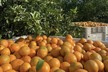
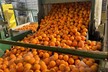
The latest ESALQ Citrus Analysis reports a drop in European demand for Brazilian oranges, pushing prices down in São Paulo despite earlier expectations for an improved 2025/26 season. Lower international interest has led processors to take a cautious purchasing approach, reducing spot market values for fruit intended for crushing and increasing volumes diverted into the fresh market.
From November 10 to 13, 2025, oranges for processing averaged BRL 39.95 per 40.8-kg box, a 12.59 per cent decline from the previous period. Pear oranges in the fresh market fell 2.76 per cent to an average of BRL 58.61 per box. Spot quotations for processing fruit were typically BRL 35 to BRL 38 per box delivered to processors. Between July and September 2025, orange juice exports fell 4.4 per cent year on year, driven largely by a nearly 23 per cent drop in shipments to Europe.
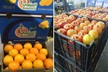
Processors have limited new purchases and are focused on contract fulfillment. With fewer oranges moving to industry channels, more fruit is entering wholesale markets, adding pressure to in natura prices.
Brazilian production has faced multiple challenges over recent seasons. Extreme heat in late 2023 and widespread citrus greening disease reduced output and pushed grower prices up in early 2024. The 2024/25 harvest then fell to its lowest level in more than 20 years due to heat and drought. While rainfall improved in October 2024, growers expressed uncertainty about orchard recovery for 2025/26. Global orange juice prices reached $7,431 per ton in January 2025 before stabilizing mid-year.
Major processing and export groups, including Citrosuco, Sucocítrico Cutrale, and Louis Dreyfus Company (LDC), face both lower raw fruit prices and subdued international juice values. Revenues in early 2025/26 dropped 15 per cent despite only a 4 per cent decline in volume, indicating pressure on margins. European importers and beverage manufacturers may benefit from lower acquisition costs if retail prices remain unchanged.
European demand trends have influenced product formulations, with some manufacturers reducing pulp content. Citrus greening continues to push investment toward regions such as Mato Grosso, Paraná, Goiás, and Triângulo Mineiro. Some Brazilian buyers have sourced fruit from Argentina and Uruguay to meet domestic demand.
Long-term global supply constraints remain tied to climate variability and disease pressure. Brazil's 2024/25 harvest is projected as the lowest in three decades, with citrus greening affecting more than 40 per cent of groves. Fundecitrus initially forecast the 2025/26 harvest at 314.6 million boxes before adjusting to 306.74 million boxes following fruit drop and rainfall deficits.
Global orange juice inventories remain low, and production costs in Brazil have risen an estimated 15 to 16 per cent. Demand remains sensitive to price changes, but consumption is expected to grow in the coming years. Market volatility is likely to continue, shaped by weather patterns, disease pressure, and evolving trade conditions.
Source: WRAL News