Panama's exports continue to perform well. According to data from Intelcom, the Ministry of Trade and Industry's platform, the country's total exports reached $595.5 million in the first seven months of 2025, a 6% increase from the previous year.
The fruit and vegetable sector did even better, with exports rising by 14.6%, said Cecilia de la Espriella, ProPanama's Export Unit coordinator.
 © ProPanamá
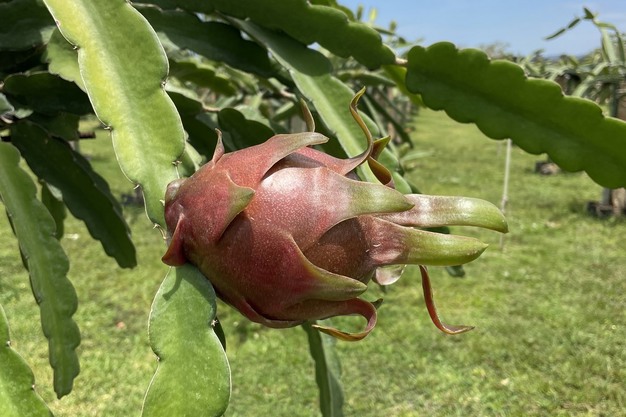
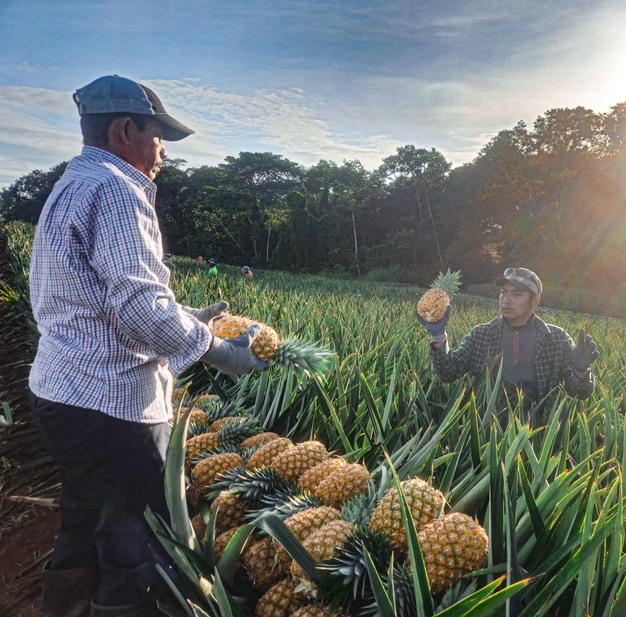
The primary agricultural exports include bananas, pineapples, papayas, and watermelons. Recently, pitahaya has been added to this list, as Panama has started promoting it in collaboration with producer associations. "We are actively encouraging pitahaya, and there is already interest from businessmen in increasing its production and expanding markets," De la Espriella stated.
The primary markets for Panamanian fruit are Spain, the Netherlands, Italy, and France within the European Union, as well as the United States, which offers favorable tariff terms. "Panama currently exports with a 10% tariff to the United States, which encourages investment and positions the country as a strategic re-export hub," the official noted.
 © ProPanamá
Panama's strategic location and free trade zone policies offer competitive advantages for companies from other Mercosur and South American nations that face higher tariffs on their direct exports. "Re-exporting from Panama enables them to take advantage of local tax benefits, so their product is considered Panamanian when it reaches another market," she explained.
The country has processing and packaging facilities for agricultural products, but there is still potential to expand capacity to handle larger volumes and meet international standards. Most Panamanian exporters hold GlobalG.A.P., FDA, and Fairtrade certifications. GlobalG.A.P. is the most in demand by European markets.
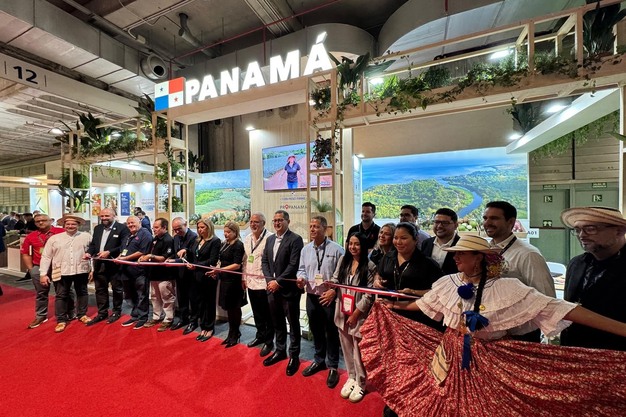 © ProPanamá
Logistically, ProPanama acts as a facilitator connecting exporters with shipping companies. "Before international fairs, we arrange meetings with firms like Maersk so exporters can secure consolidated cargo space and understand sector logistics strategies," De la Espriella explained. The goal is to reduce transport issues and strengthen the sector's trade union organization to support consistent, efficient exports.
Finally, De la Espriella highlighted the growing interest from the Middle East, especially Saudi Arabia, Dubai, and Turkey, in MD2 pineapple, a trend that opens new opportunities to diversify the market.
 For more information:
Cecilia de la Espriella
ProPanama
Email: [email protected]
www.propanama.gob.pa