Brazilian exports of fruits and vegetables affected by the recent U.S. tariff increase declined between August and October 2025 compared with the same period in 2024. However, sales of these same products to other international markets rose, offsetting much of the loss in shipments to the United States.
According to data compiled by Valor Econômico from the Foreign Trade Secretariat (Secex/MDIC), 1,503 export products were affected by the tariff hike announced by the U.S. government at the end of July. The analysis covers goods for which the U.S. accounted for at least 5 per cent of Brazil's exports. From August to October, shipments of these products to the U.S. totaled US$1.58 billion, while exports to other destinations generated US$3.1 billion more than in the same period of 2024.
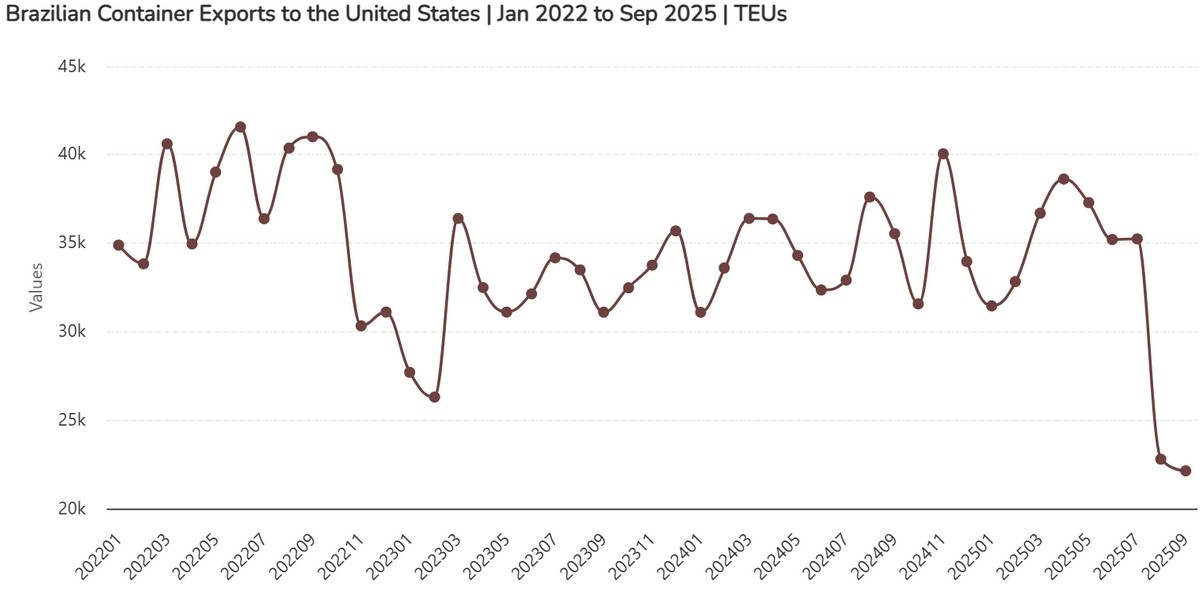
The list of affected items was prepared by the Institute for Studies in Industrial Development (IEDI) and includes goods subject to the 50 per cent tariff as well as products impacted by Section 232 measures introduced earlier in the year.
Rafael Cagnin, chief economist at IEDI, stated: "Overall, the U.S. tariff hike is not a catastrophe. There is no loss from a macroeconomic perspective, although the signal sent by the American measures is negative. The data shows a significant ability to redirect exports of the affected products." He noted that this flexibility is greater for goods less dependent on the U.S. market.
According to Secex data, total exports of tariff-affected products to the U.S. fell 29.6 per cent year on year, while shipments to other markets increased 20 per cent.
Economist Lia Valls of Rio de Janeiro State University (UERJ) said that Brazil's capacity to redirect produce exports helped limit the broader impact of U.S. measures. "The American market remains relevant, even if the tariff impact may be smaller than expected. This gives Brazil more leverage in negotiations," she said.
Source: DatamarNews / Valor Econômico