In October 2025, an invention patent application was filed in Australia for a new ecological method to prevent and manage citrus greening disease (Huanglongbing, HLB). The approach integrates herbal extracts, functional microorganisms, and low-frequency energy water to stimulate the natural immune system of citrus trees, aiming to build long-term resistance within the rhizosphere ecosystem.
Unlike conventional chemical or biological control methods that directly target pathogens, this method activates the plant's innate defense pathways to enhance its resistance and self-repair capacity. With repeated application, citrus trees can develop what researchers describe as "immune memory," offering durable protection against HLB.
The method combines the effects of herbal and microbial components to help citrus trees gradually generate natural antibodies against HLB. Early trials have shown that this approach can suppress the transmission chain of HLB pathogens with a prevention and control rate of more than 95% per season. It also activates intrinsic disease-resistance genes in citrus plants, improving the rhizosphere's micro-ecological balance and reducing fertilizer usage by about 30%.
Researchers also observed higher fruit quality indicators, including a 20% increase in vitamin C content. As no chemical residues remain after treatment, the approach is being explored as a sustainable option for wider field application.
After one to two years of continuous use, the method is reported to help citrus soils establish long-term immune memory, allowing trees to maintain lasting resistance and lower reinfection risks.
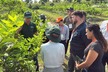
The invention was developed by agronomist and microbiologist Dr. Zhu Weiping and the NEWKIS Ecological Energy Research Team, based in Guangzhou, China. Since 2015, the team has conducted field trials across Jiangxi, Guangdong, Guangxi, and Hunan provinces, refining the method through practical application.
Dr. Zhu and the team are currently researching to verify whether fruit trees can indeed produce antibodies against HLB infection. The findings may contribute to new biological management approaches for the citrus industry, offering an alternative to chemical control methods.
Source: AgriTech Tomorrow