Managing director of Capespan Namibia, Kobus Bothma, confirms that when the Namibian table grape harvest starts in roughly two weeks, the trucks carrying reefer containers to the port of Cape Town as well as to South African retailers will freely cross the border.
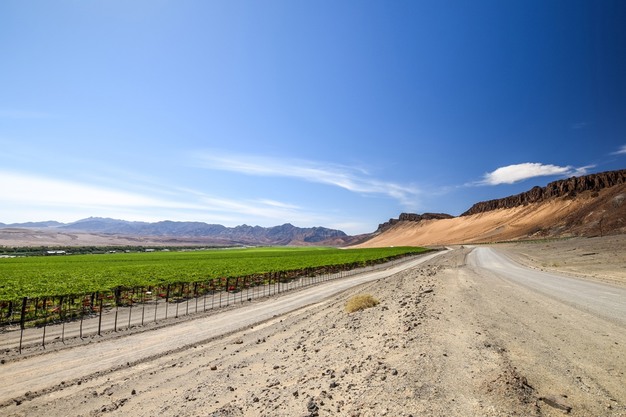 © ID 107549433 | A © Juergen Wallstabe | Dreamstime.com | DreamstimeVineyards in Aussenkehr, southern Namibia
All compliant Namibian producers are again allowed entry into South Africa after a period of suspension of southbound trade. It comes too late for Namibian tomato producers whose season is over and who suffered stinging losses as a result.
The export permits of Namibian fresh producers had been temporarily withdrawn by South Africa. The country says that Windhoek has now provided it with sufficient scientific information to ensure traceability and compliance with South African import requirements, says Moses Rannditsheni, communications director at the Department of Agriculture.
He adds that growers can verify their registration for produce on the DoA website www.nda.gov.za.
Southern African exporters wishing to trade in Namibia consult the monthly list of import restrictions applicable to them to see which categories are allowed into Namibia. The country aims to protect its domestic vegetable production by banning entry to certain categories, reviewed every month. In November, there will be restricted entry to some tomato categories, and an import ban on cabbage, peppers, carrots, and cucumbers.
For more information:
Moses Rannditsheni
Department of Agriculture
Email: [email protected]