Trade between Pakistan and Afghanistan remains severely affected by ongoing border closures, with the Torkham crossing, the main trade route between the two countries, shut for ten days before a ceasefire was reached. Both governments have agreed in principle to reopen the crossing, and customs personnel have been instructed to return to the Torkham terminal. Scanners for cargo clearance have been delivered to speed up inspection once trade resumes.
The Torkham, Chaman, Ghulam Khan, and Angoor Adda crossings have all been closed, halting bilateral trade and pedestrian movement. Hundreds of trucks loaded with fruits and vegetables remain stranded on both sides of the border. Many perishable goods have spoiled, causing financial losses for traders and farmers. Customs officials estimate that trade worth about US$3 million occurs daily through Torkham, including exports of fresh produce from Pakistan and imports of fresh and dried fruit from Afghanistan.
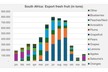
Pakistan exports fruits and vegetables to Afghanistan, while Afghanistan sends fresh and dried fruit, including apples, grapes, tomatoes, and onions, to Pakistan. The suspension of trade has also affected thousands of workers dependent on transport and logistics. Government sources report that both countries have agreed to ensure border trade continues in an organized and transparent manner once operations resume.
Afghanistan's fresh fruit exporters have reported severe losses, with around 200 trucks loaded with grapes, apples, tomatoes, and onions still stranded. According to the Dried Fruit Exporters Union, fresh produce shipments have almost stopped, while only small quantities of dried fruit continue to move. "It's apple season now, and the only nearby and accessible route to sell our produce has been shut down," a spokesperson said. Exporters estimate that fresh fruit shipments have dropped by 60–70% over the past six months.
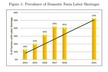
Pakistan's domestic fruit and vegetable prices have surged as supplies from Afghanistan remain cut off. In Rawalpindi, tomatoes are selling for about US$2.15 per kilogram, while garlic has reached US$1.45 and ginger US$2.70 per kilogram. Onions are selling for US$0.43, peas for US$1.80, and capsicum and okra for US$1.10 per kilogram. Traders report that small vendors have stopped selling some items due to limited supply.
Bilateral goods trade between Pakistan and Afghanistan fell by 6% to US$475 million in the first quarter of FY2025–26, compared with US$502 million in the same period last year. Exports of fruits and vegetables, mainly mangoes, rose by 140% from US$9.2 million to US$22.1 million during the period, while the overall trade decline reflects reduced shipments of other commodities due to ongoing border disruptions.
Source 1: Chapters
Source 2: The Nation
Source 3: IANS live