Two months after the United States introduced higher import tariffs, Brazil's fruit export sector continues to show steady export volumes despite tighter profit margins. Tariffs on some products have reached 50%, yet shipments of mangoes, grapes, and orange juice remain active, according to Hortifruti Brasil magazine, published by the Center for Advanced Studies in Applied Economics (Cepea) at Esalq/USP.
Cepea's analysis notes that while export volumes have remained resilient, profitability is under pressure. The current phase is described as one of adaptation, marked by more strategic and innovation-driven approaches within the export industry.
Mango exports maintain performance
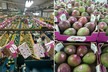
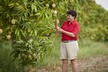
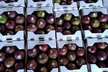
Mangoes stood out among Brazil's main fruit exports. Benefiting from the early end of Mexico's harvest and steady fruit quality, Brazilian exporters expanded shipments to both the United States and Europe. Exporters such as Special Fruit maintained contracts and partnerships that helped sustain export stability, reinforcing the São Francisco Valley's role as a key production area for tropical fruit exports.
Grape market faces restrictions
For grape exporters, the situation has been more challenging. The North American market, the main destination for seedless and candy varieties, saw reduced access following the tariff hike. Exporters redirected part of their production to Europe, Argentina, and the domestic market to mitigate losses, although profit margins fell. The sector is now focusing on the 2026 season, with plans for diversification and domestic market development to reduce dependence on the U.S. market.
Orange juice sees mixed results
Orange juice exports faced fewer disruptions, as the main product remained exempt from the 40% tariff. However, by-products such as citrus oils and meal continue to be affected by a 50% rate. Cepea reports that the difference in treatment within the same production chain highlights the need for consistent trade policies and bilateral agreements to maintain Brazil's competitive position.
Outlook for Brazil's fruit sector
Cepea concludes that the Brazilian fruit export industry is in a period of adjustment and learning. Exporting companies have shown the ability to adapt to changing conditions, but maintaining export sustainability will depend on innovation, improved logistics, and the expansion of alternative markets.
Source: DatamarNews