U.S. potato growers are navigating a challenging 2025 growing season, marked by weather extremes and disease pressures. According to BASF crop specialists, however, the crop outlook remains promising, especially in key production states such as Idaho, Oregon, and Washington.
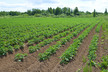
At mid-season, fields in the western U.S. are showing strong progress both above and below ground. Despite volatile weather, including heat spikes, unexpected frosts, and high winds in southeastern Idaho, crops have remained resilient, thanks in part to proactive planning and crop protection strategies implemented by growers.
Disease management remains a central focus as the season advances. Early blight and white mold are present at typical levels, but growers affected by higher disease pressure last year have adjusted their fungicide schedules. Encouragingly, Idaho's recent weather has not favored late blight development, easing some grower concerns. Still, early blight and white mold can cause yield losses of up to 20% and 50%, respectively, if not controlled early.
To manage these risks, BASF recommends preventive fungicide applications. Endura PRO, which combines boscalid (FRAC Group 7) and Revysol (FRAC Group 3), is being widely adopted. Designed for sequential application—typically at row closure and again two weeks later—this dual-mode-of-action product has received positive feedback from the field. In a 2024 survey following 20 on-farm trials, 95% of growers rated Endura PRO's performance as good to very good, and 93% of agronomists preferred it over alternatives.
Maintaining vine health is another seasonal priority. BASF notes the benefits of applying fungicides such as Veltyma and Priaxor to support plant vigor through summer. As the season progresses, growers are increasingly adopting integrated fungicide programs to enhance disease control and manage resistance.
Changes in grower behavior are also apparent, with greater emphasis on resilience, return on investment, and technology-driven solutions. BASF credits its field support teams and collaboration with local advisors for helping tailor protection strategies to specific regions and weather conditions.
Looking ahead, BASF foresees a shift toward more sustainable, precision-based production systems. The integration of AI and digital technologies is expected to play a growing role in optimizing input use and enhancing crop quality. As the harvest approaches, growers are advised to remain vigilant, especially if wildfire smoke becomes a factor, as it can increase white mold pressure. BASF recommends maintaining proper soil moisture during such events.
In closing, BASF commended the efforts of U.S. potato farmers, highlighting their commitment to feeding a growing population despite ongoing challenges.
Source: Potato News Today