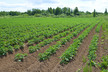
Potato cultivation in Nepal's Myagdi district has increased by 9% compared to the previous year. According to the Agricultural Knowledge Center, 35,000 metric tons were harvested across 1,820 hectares, averaging 19.5 metric tons per hectare. In the 2024/25 season, output stood at 31,450 metric tons from 1,750 hectares.
Center head Sanjeev Bastola attributed the growth to expanded cultivation, favorable weather, and low pest incidence. Annual sales of potatoes now exceed approximately US$751,000 (over Rs 100 million), with produce transported to urban centers such as Pokhara and Kathmandu. Field prices currently range from US$0.30 to US$0.34 (Rs 40–45) per kilogram.
Farmer Buddhibir Pun from Annapurna Rural Municipality-7 emphasized the role of consistent rainfall and adequate irrigation in boosting yields. He also noted the distinct taste and nutritional value of Lekali-grown potatoes, which are in high demand beyond the district. Major cultivation zones include Sikh, Khibang, Ramche, Kafaldanda, and other areas of Annapurna Rural Municipality, as well as Raghuganga and Beni municipalities.
Improved road infrastructure has enhanced market access in remote villages. Under the Food Potato Promotion Program, 1,085 metric tons were produced last year from 1,300 ropanis of land. The Agricultural Knowledge Center provided subsidies totaling about US$65,800 (Rs 8.764 million) to support seed supply, mechanization, irrigation, packaging, and transport for cooperatives and farmer groups.
Source: Khabarhub