Cebu City, Philippines, is encountering a reduction in vegetable output caused by the current dry season. The ongoing drought has affected crop volume, leading to elevated prices of vegetables.
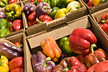
Reports from the Cebu City Agriculture Department (CAD) indicate a decline in the production of eggplants, bitter gourd (ampalaya), beans, lettuce, Chinese pechay, cucumber, ginger, and tomato. This deficit has contributed to increased vegetable prices by an estimated 40%.
On May 23, 2025, CAD head Arleigh Gesta explained that farmers are reducing seed planting to avert losses from potential drought or El Niño events, reflecting strategies from previous years.
Market supply is further constrained by farmers focusing on distributing produce to hotels and restaurants, reducing local market availability. Major markets such as the Carbon Public Market have experienced decreased shipments from external suppliers, including Cagayan de Oro and Canlaon City, compounding this scarcity.
Ampalaya, ginger, and cucumber prices have witnessed acute increases. These vegetables, typically high-yield during normal seasons, have been impacted by the dry conditions.
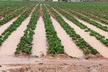
Gesta assessed that production volumes have dropped by about 50%, with an estimated 40% price increase overall. This decrease results from diminished rainfall and declining water resources, complicating cultivation efforts.
In 2024, Cebu City faced a similar drought-induced crisis, linked to El Niño, that affected water supplies significantly. Several upland barangays declared calamity states due to persistent dry spells and water scarcity. Farmers confronted irrigation challenges and sought government interventions, including water pumps and enhanced irrigation systems.
The CAD continues to educate farmers on water conservation and pursue aid from national agencies. The downturn in local production has been evident since May 2025, with expectations of continuation until month's end. Produce from nearby regions like Negros and Mindanao might alleviate Cebu City's supply issues in the future.
This season has underscored the region's agricultural susceptibility to climate variability and water shortages, highlighting the continuous need for support and adaptation to maintain food production.
Source: Sunstar