Vietnam's durian export sector faces challenges due to stringent quarantine protocols imposed by China and heightened competition from regional players. The extended inspection procedures, now taking up to a week, have led to a decline in domestic prices and quality concerns, as stated by industry insiders.
Chinese customs now conduct comprehensive checks on all durian shipments for banned chemicals, including auramine O. As a result, Vietnamese durian exports to China have seen an 83% drop in the first two months of the year, reaching only $27 million. The prolonged border clearance has led to quality degradation, with some shipments arriving damaged at Chinese wholesale markets.
This situation has prompted Mekong Delta farmers to reduce prices by 30%, with current rates ranging between VND35,000- 70,000 (US$1.35-2.69) per kilogram, a stark contrast to the previous year's prices. The slowdown in exports has made businesses cautious, reducing their export volumes significantly.
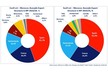
Vietnam's market share in China has decreased from 62% to 37%, while Thailand has increased its share to 62.3%. Despite similar inspection standards, Thailand's government has implemented strategies to maintain high export volumes. Meanwhile, new competition from Laos, Indonesia, and Cambodia adds to the challenges faced by Vietnamese exporters.
Laos has recently allocated over 273 hectares in Attapeu Province for durian cultivation aimed at the Chinese market. The formation of the Durian Business Association and a research center in collaboration with Chinese firms highlights Laos's commitment. Indonesia, with its substantial production capacity, is finalizing logistics and quarantine protocols to penetrate the Chinese market. Cambodia has also entered the market, signing a protocol with China to export durians, among other agricultural products.
Industry representatives in Vietnam call for enhanced government intervention to address these challenges. They emphasize the need for on-site testing mechanisms to reduce costs and improve quality assurance. Suggestions include educating farmers on compliant fertilizer use and increasing the number of testing centers approved by China.
Source: VNExpress