Sri Lanka's coconut industry is struggling with a severe production shortfall, threatening both domestic consumption and exports. Senior Professor in Crop Science at the University of Peradeniya, Prof. Buddhi Marambe, stressed the urgent need for a well-planned replanting program to address declining yields. He emphasized that proper government support and financial assistance are crucial to increasing production from the current three billion nuts annually to at least 4.5 billion. A continuous supply of high-quality seedlings is essential for achieving this goal.
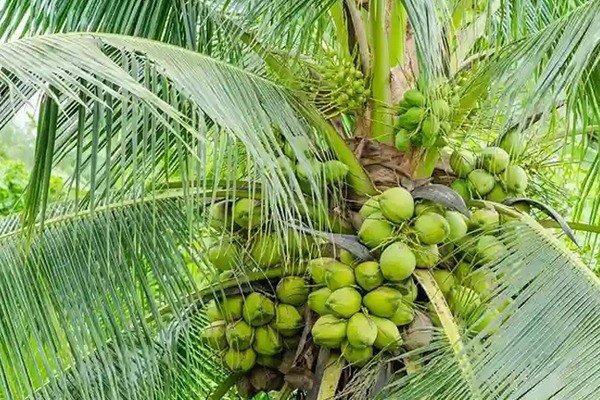
Coconut palms can remain productive for up to 60 years, but around 15% of Sri Lanka's trees are past their economic lifespan, leading to lower yields. The country requires about three billion nuts annually, with a monthly demand of 250 million—150 million for domestic use and 100 million for exports. Production has steadily declined, falling from 3.35 billion nuts in 2022 to 2.95 billion in 2023, and further dropping to 2.68 billion in 2024. In December alone, production was down 60% compared to the previous year, and the shortfall is expected to reach 200 million nuts between January and April 2025.
Despite lower production, coconut-based export earnings showed resilience. In 2021, exports generated $836 million before dropping to $708 million in 2023. However, in 2024, exports rebounded to $856 million, a 20% increase from the previous year. This suggests that a significant portion of the limited coconut supply has been diverted to exports, worsening the domestic shortage.
To address the crisis, the industry has requested that the government allow the importation of coconut kernels for processing into oil and other export products. However, importing whole coconuts remains prohibited under Regulations 14 and 15 of the Plant Protection Act No. 35 of 1999.
Several factors have contributed to the decline in production, including weak fertilization management due to rising costs. The price of fertilizer has surged from $4 to $32 per 50kg bag, leading to inadequate fertilization of coconut palms. While proper fertilizer application can restore yields, results take about 12 months, making consistent use essential for long-term sustainability.
Drought conditions have further worsened the crisis, with severe moisture stress occurring when rainfall falls below 100mm per month. Prof. Marambe recommended implementing water management strategies such as drip irrigation to mitigate these effects. Additionally, pests like coconut mites, white flies, and the toque macaque have significantly damaged plantations. In Kegalle, toque macaques are responsible for up to 60% of crop losses, while in Hambantota, the damage is estimated at 20%.
Efforts to control wild animals affecting agriculture have been discussed for decades, yet effective solutions remain elusive. Experts stress that immediate government intervention is needed, including replanting programs, better pest control, and improved irrigation techniques, to secure the future of Sri Lanka's coconut industry.
Source: Sunday Observer