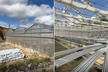
Scottish staples like potatoes, some barley and soft fruit like raspberries all need cool weather to grow. However, the top ten warmest years since records began in 1884 have all occurred after 1997, which is a serious threat to agriculture. Some experts claim growers need to use the power of genomics to urgently identify more resistant varieties now.
Technological advances and commercial services now mean you can get a complete crop genome – the entire DNA blueprint – in just months. As a result, over 200 horticultural species, including ornamental plants, fruits and vegetables, grains and spices, have now been sequenced, meaning we know the structure of their DNA.
However, there has been a new phenomic revolution; a boom in our capabilities to use advanced automation, imaging, and controlled environments, such as gas and light, opening new doors to plant scientists. It is unlocking our ability to feed the population in the face of global warming. We can now apply specific and controlled stresses to a range of crop populations, for example simulating the hotter and drier climate of the future on our barley crops, to study how they react and understand the link between their DNA and how they respond.
Source: uk.news.yahoo.com