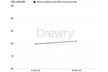
Once again, ships are waiting in line at the Panama Canal as a historic drought make headlines. The current water level in Gatun Lake, which feeds the canal, is about a 7% lower than the average of the last five years. In addition to the current draft restriction issued at the end of May, a special advisory was issued at the end of July to mitigate the impacts of the extended dry season and limit the number of vessels for the daily transit from 36 to 32.
The delays and resulting cost increases could have a serious impact on North and South American agricultural trade. A temporary relief from traffic jams is expected in September, a slow month, before queues resume in October, as the fourth quarter is usually the busiest for agricultural trade.
Almost the 3% of the volume of global maritime trade transits through the Panama Canal, the majority of which are bulk carriers, followed by container ships, chemical and crude oil tankers and LNG carriers. Of these, only container ships have not suffered from the current increasing wait times for transit (i.e. 5-6 days in July and 9-11 days in the first three weeks of August, on average) because the majority of container ships have reserved their transit slots well in advance.
Source: blueberriesconsulting.com