The images on the news and across social media of the wildfires on Hawaii’s Maui island are startling ones to see. At press time, more than 270 buildings have been destroyed and at last count, there have been up to 36 deaths related to the wildfires. Yesterday, President Joe Biden also approved a disaster declaration for Maui.
What does this mean for the agricultural scene on the island? Ken Love of Hawaiian Tropical Fruit Growers Corp. says that while there were few farms affected by the fires--largely small backyard farms that do feed into the community at the local distribution network--what was more affected was Maui’s foodservice picture. “All of these restaurants that were around the area affected are just gone. They used the local produce and also produce from other sources,” he says.
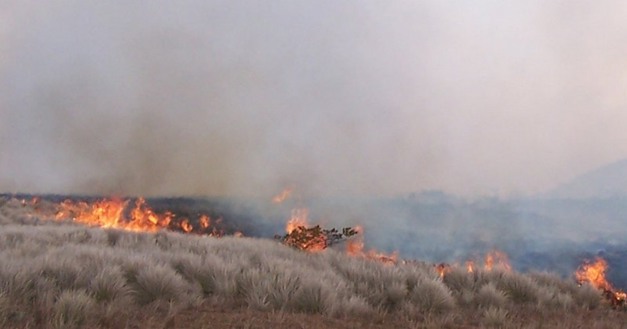 Photo: Hawaii Wildfire Management Organization
Commodities affected?
Hawaii is largely known for its pineapple production and Love says that the pineapple growing areas of Maui are mostly in the middle of the island as opposed to around Lahaina, which has been affected by the fires. “There are some other little fires that were threatening mango orchards but fortunately the winds changed direction. The fires are all still burning here but just not as intensely as they were before,” he says.
The way Love sees it, it’s just yet another challenge for the Hawaiian agricultural industry. “The ag community in Hawaii always has some sort of major issue, as every ag community does. It’s fire ants and if it’s not then it’s as soon as we get cleared to export avocados, we get hit by the Lace bug that has destroyed more than half the avocado crop,” he says. “It’s with commodities whether they are grown for local supply or for our limited export programs. Another headache that we have to figure out how to deal with and move forward.”
 For more information:
Ken Love
Hawaii Tropical Fruit Growers Corp.
https://www.htfg.org/