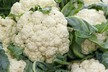
The agriculture ministry’s aggregation centre facilitates the sale of 40 metric tonnes of cabbages every day, however, farmers say many are rotting in the fields.
Cabbage growers of Naja and Dawakha gewogs are still facing challenges in marketing the vegetable.
Economic Affairs Minister Loknath Sharma said that the government was in constant touch with Indian Embassy to address the issue at the earliest reports kuenselonline.com
Both Bhutan and India enjoyed informal trade before the pandemic, with numerous entry and exit points along the southern border.
However, with the onset of the pandemic, countries began to streamline customs points and came up with formal trade requirements.
Lyonpo said that the issue arose when traders could not produce the required clearance at the last moment. For instance, to include vegetables and fruits into the import list, the requirements include Pest risk analysis clearance, plant quarantine order followed by a Phytosanitary and sanitary certificate.
The country has pest risk analysis clearance for five agricultural produce—mandarin, apple, ginger, potato and cardamom.
Although the government submitted the list of additional seven commodities to the export list to the Indian government, including chillies, beans, cabbages, cauliflowers, carrots, peas, and soybeans, the government couldn’t get the approval yet.
According to lyonpo, the government has requested an exemption to import cabbage for this season, before the pest risk analysis approval which will take some months. “We have asked to expedite the approval for cabbage and carrots before the season ends.”
Farmers, however, have no option. Cabbage growers say that the vegetable is their main source of income, and they depend on it.
Jampel said that the production of beans and broccoli was lower in comparison to cabbage. “If one farmer grows beans, everyone will follow, flooding the market with the same vegetable. It is difficult.”