Vietnamese businesses, still trying to export produce to China via unofficial means, are facing high risks. However, according to an article on english.vietnamnet.vn, they still have not found a way to boost exports through official channels.
“We don’t want to export fruits to China through unofficial channels. It is risky. We want to sell high-quality products through official channels under business contracts, rather than sell across border lines to merchants,” said Do Ngoc Chat from Viet A Agrifood.
Chat is one of hundreds of businessmen who want to export farm produce to China through official ways, which can bring high value, allow safe payments and minimize risks.
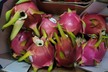
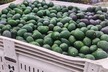
However, only six kinds of Vietnam’s fruits can enter the Chinese market through official channels, namely dragon fruit, water melon, litchi, longan, banana, mango and jackfruit. Chinese has not opened its market officially to other Vietnam specialties, including avocado, durian, coconut and sweet potato.
In comparison: Thailand has 40 items that can enter the Chinese market through official ways, Cambodia has six. A high proportion of Vietnam’s goods are sold to China across border gates. Products are carried to border areas and delivered to Chinese merchants after receiving cash directly from buyers. No business contract is signed between sellers and buyers.
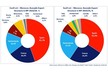
China is Vietnam’s biggest importer, followed by the US, South Korea, Japan, the Netherlands, Malaysia and Taiwan.