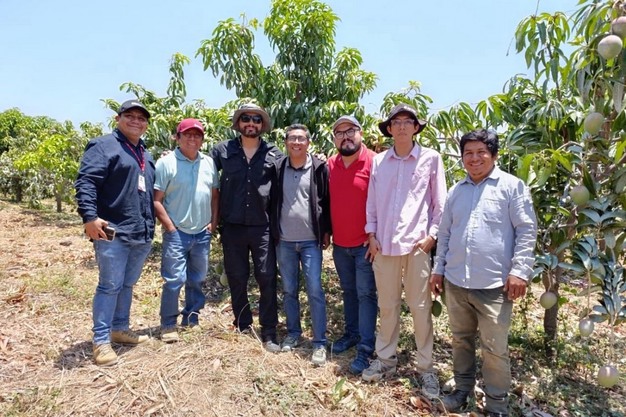
The 2025-2026 Peruvian mango season is expected to start nearly one month later than in previous years. "This delay is mainly due to the physiological stress on the plants caused by two factors from the previous season: The residual effects of water scarcity in the Piura valleys and the natural production cycle after a season of oversupply in 2024-2025, during which about 12,000 containers were shipped," stated Kevin Naveda, commercial executive at Dominus.
"After a highly intense and water-deficient season, the plants need a longer recovery period to replenish energy reserves and restore normal physiological functions. We expect a 20% to 25% decrease in mango volume in Peru in the 2025-2026 season, approaching the levels of the 2022-2023 season," the sales representative stated. Overall, approximately 10,000 containers are expected across the country.
 © Dominus
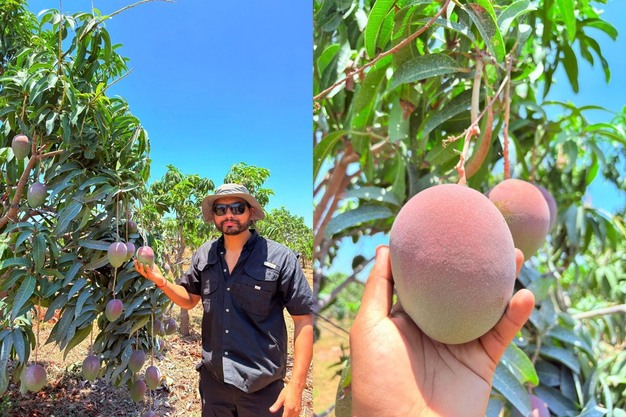
The harvest delay, expected to produce significant volumes around late November to early December, alters the strategy. Dominus is expanding into markets such as Canada, Latin America, Russia, Turkey, and South Korea, which offer better opportunities when European and U.S. markets are saturated and stocks are low. Naveda also noted recent growth in the air mango line.
 © Dominus
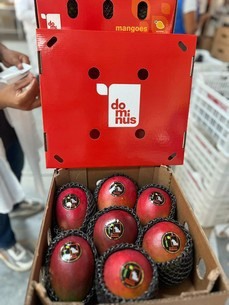
Europe's market remains influenced by Brazil's historically strong presence, which provides a steady supply through week 52. This situation leads to a less favorable price environment for Peruvian mangoes, especially early in the season when field costs are high. Conversely, the U.S. market exhibits increasing demand and a greater willingness to pay premium prices—near $12 for a 4kg box—partly due to the 50% tariff on Brazilian mangoes, which has elevated the category's reference value, the executive explained.
The future of the US market largely depends on Ecuador's behaviour, as it is just beginning its shipments. "When Ecuador's season concludes, Peru will take its turn, and that will determine if we can capitalize on the current positive price outlook. The market adjustment must happen gradually, not suddenly, requiring us to act carefully and monitor the volumes from other origins and Peruvian companies on a weekly basis. This approach helps prevent speculation, which in past seasons led to losses when raw material was bought based on unrealistic return expectations," he stated.
One of the main challenges this season is the rise in freight costs during peak times, especially because it overlaps with the grape and blueberry seasons. "Surcharges can reach 1,500 or 2,000 dollars per container, which has a strong impact on a crop with narrow margins such as fresh mango," Naveda noted.
 © Dominus
"Unlike last year, there are no current issues with carton supplies or water shortages. Nevertheless, the sector should carefully plan volumes to prevent oversupply in the same market and time period, which could lower prices. It is crucial that the raw material price provided to producers aligns with the market price at the time of delivery. The viability of the business relies on mutual benefits for all involved parties," he cautioned.
The Peruvian season will last until March or April, and Mexico's late entry in February could benefit Peruvian mangoes, extending their availability in the U.S. market," Naveda concluded.
For more information:
Kevin Naveda
Dominus
Email: [email protected]
https://dominus.com.pe/home/