Weeks of transition are expected for the mango market, characterised by the progressive decline of the Spanish supply and the return to the forefront of the Brazilian product. Explaining the situation is Giorgio Donnarumma, sales manager of the Milan-based Nuovafrutta, who points out how subtle balances between origins, prices, and transport modes are conditioning the trade dynamics of this autumn phase.
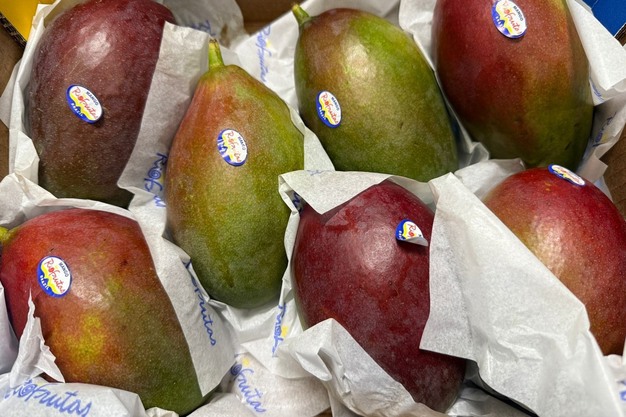
Brazil remains the main origin when it comes to the product shipped by sea, especially with the Palmer and Tommy Atkins varieties, which, in recent weeks, have seen a slight increase in prices compared to the summer months. They are now around €6-7 per box, depending on the size and origin. Despite the sporadic presence of other origins such as Santo Domingo, it is always the Brazilian mangoes that dictate the pace of imports.
 © Giorgio Donnarumma
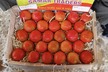
Brazilian Palmer mangoes are transported by sea
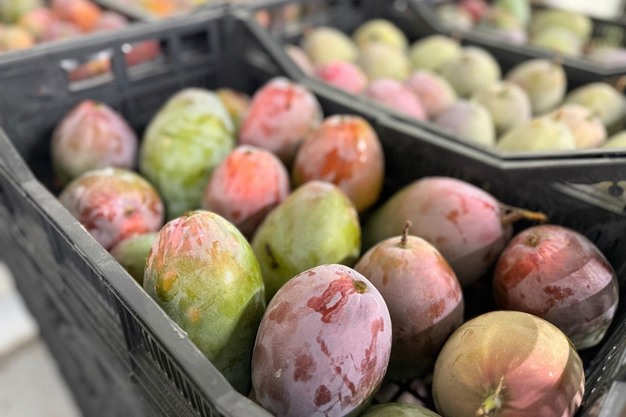
According to Donnarumma, the real game-changer came from Spain. The Osteen mango campaign, which is still going on but has now reached its final stages, has had a strong impact on the market. This year, availability has been plentiful, and the product has found a wide outlet, especially when packaged in 7-8 kg plastic crates. "A less refined type, yet able to reach the market with much lower prices than the overseas imports. The purchase prices of this Spanish mango hardly exceeded €1.30-1.40/kg, with drops as low as €0.80 for the green product, which then ripens and becomes very good all the same. This pressure penalised the seaborne market quite a bit because, obviously, when you find good fruit coming from Spain, imports from Brazil are considered a bit less.
 © Giorgio Donnarumma
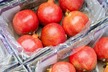
Spanish Mango Osteen
"Big retail chains, however, have continued to favour seaborne supplies from Latin America, as they are held back by a certain inertia linked to the management of codes and products. The situation on the wholesale markets was different, as Spanish Osteen met with a lively and constant demand," continues Donnarumma.
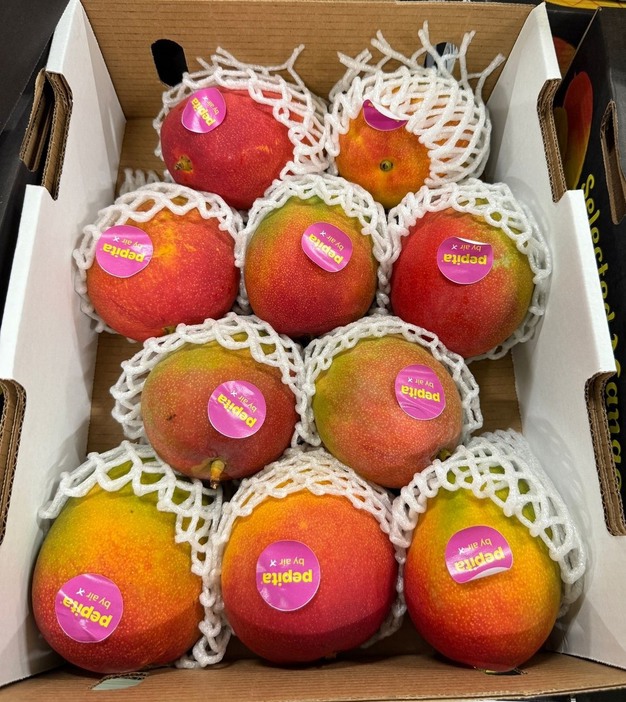 © Giorgio Donnarumma "As for airfreight, Brazil and Peru are already active with the first batches of Kent. Prices remain high, with purchases at around €35 per 6 kg crate and sales ranging between €40 and €48."
Right: airfreighted mango from Brazil, Kent variety
Looking to the future, the outlook points to a possible upturn. The end of the Spanish campaign leaves room for the Brazilian product, which could catch up in the absence of direct competitors. "This should be the trend, barring any surprises," admits Donnarumma, highlighting how, however, market trends often remain unpredictable.
Avocados
The Peruvian avocado campaign is drawing to a close, and Donnarumma reports it as extremely positive. "There are still about two weeks to go. This year has been good, with much more availability than in the past and with a quality that has remained constant even at the end. The increased flowering and the absence of serious climatic problems allowed Peru to put large volumes on the European markets, ensuring stability and affordable prices.
 © Giorgio Donnarumma
According to the wholesaler, purchase values remained in the range of €7-10 throughout the season, i.e., much lower than last year when the range was between €10 and 12. This favoured a consistent increase in sales, with Nuovafrutta recording a 30-40% growth over 2024.
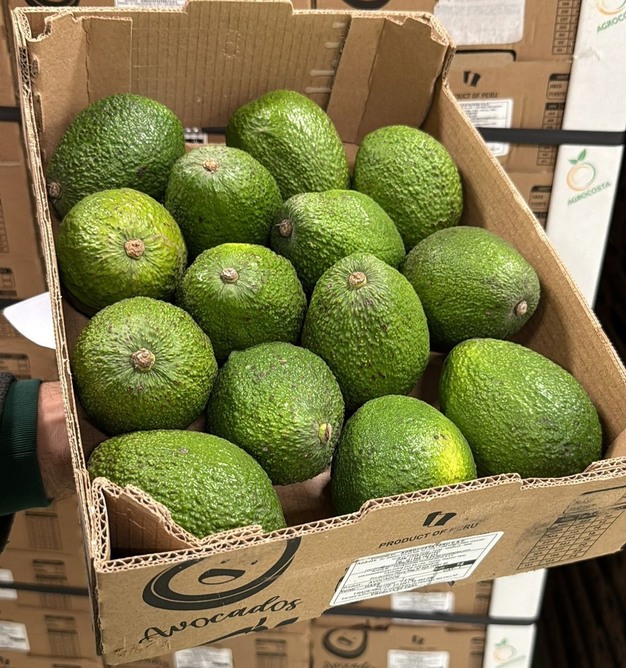 © Giorgio Donnarumma
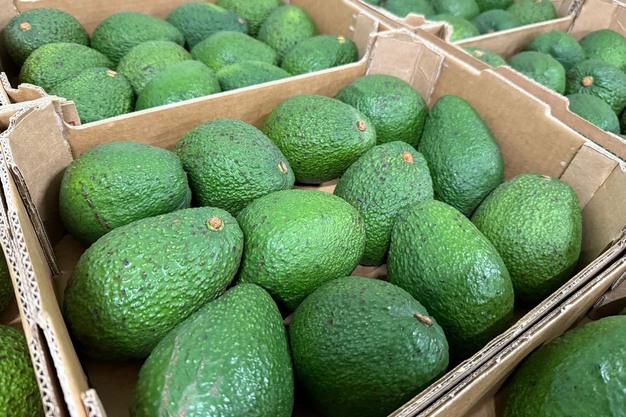
"Even at this late stage, you can still find good quality batches of Hass avocados at prices considered reasonable, i.e. €7 per case," Donnarumma points out.
Right: Hass avocados from Peru
The gaze now turns to Morocco, which is expected to enter the scene between week 44 and 47. "A start with higher quotations is expected - I anticipate a value between €10 and €12, although the first weeks will be delicate due to the not yet optimal fat matter. The first few containers will be like a Russian roulette: it may happen that the fruit will not ripen as it should, and customers will be disappointed." Nevertheless, the Moroccan campaign should be smooth and continue until March, as large quantities are expected.
Israel and Kenya complete the picture, with the first Pinkertons arriving in the coming weeks. But the situation is complicated for Israel: not so much on an agronomic level, but on a political and commercial one. In fact, several Italian and European supermarkets and operators have refused consignments of Israeli avocados, which has pushed Ettinger prices down. In parallel, Spain is also on the move: the Bacon variety has just started, and Fuerte avocados are expected to enter the market from November, while Kenya is preparing to place the first Pinkertons on the market.
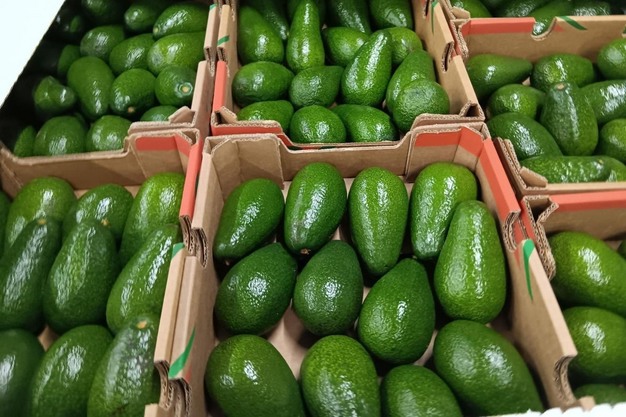 © Giorgio Donnarumma
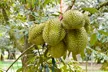
Israeli Ettinger avocados
The context is therefore evolving strongly, and operators are watching with interest how Peru will close and how Morocco will take shape. For Nuovafrutta, the season is already a success: "We have sold a lot more and with less difficulty than in the past, a sign that consumption in Italy continues to grow and that avocados are now a consolidated reference fruit," concludes Donnarumma.
For more information:
Nuovafrutta
Via Cesare Lombroso 54
20137 Milan - Italy
[email protected]