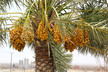
Saudi Arabia has recently shifted its focus to exporting fresh produce as part of a strategy to diversify its economy, which is heavily reliant on energy exports, while also aiming to ensure food security and reduce its reliance on imports. Among these products, dates are a sector in which the country has a clear competitive advantage and where the market is experiencing strong growth worldwide. This is according to Abdulrahman Al Nwaisir, general manager of Sanyeh.
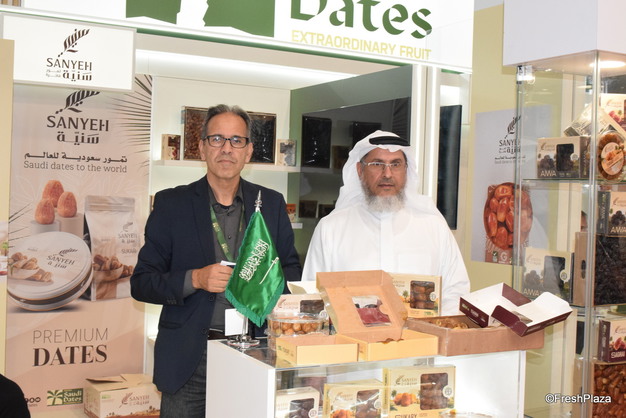 © Youness Bensaid | FreshPlaza.com
The exporter states: "The global craze for dates and market growth are now well established. The world is beginning to discover these highly nutritious fruits and incorporate them into its daily consumption and eating habits. The use of dates in the processing industry is also booming and has yet to reach its peak. Dates are now being used as a substitute for sugar, which represents a huge market. In Saudi Arabia, for example, we have a cola drink that uses dates instead of corn syrup or cane sugar, offering a much healthier beverage. The current situation is such that international demand for dates far exceeds supply."
To keep up with demand, the area planted with date palms has increased significantly in Saudi Arabia, with a focus on premium varieties for export, according to Al Nwaisri. He adds, "We have the full support of the government and the National Center for Palms and Dates, and Saudi date exporters have been a regular feature at all major international fresh produce fairs for years. This presence is paying off with strong demand in several markets, including Europe and Morocco."
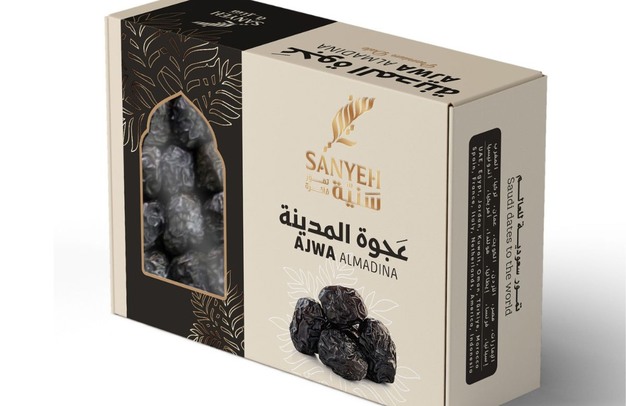 © Sanyeh
The strategy to differentiate Saudi origin lies in the varieties grown in the country, adds the producer. He explains, "Several competing origins are present on the market, such as Egypt, Algeria, and Tunisia. It is important to note that the date market and consumers pay close attention to the origin of dates and their varieties. Premium Saudi dates such as Ajwa, Sokkary, and Safawi are in very high demand and are not available elsewhere. We have identified these varieties as our iron spearhead."
Until now, demand for fresh Saudi dates has been largely concentrated around the month of Ramadan. Al Nwaisir says, "65-70% of our annual volumes are exported just before Ramadan. This concentration is tending to decline as dates become more widely consumed on a daily basis. The Moroccan market, the second largest importer of dates, stands out globally with year-round consumption. We export large volumes to Morocco just after Ramadan, which is a peculiarity of this market. It is also a market where demand far exceeds supply, and which is increasingly moving towards high-quality premium varieties."
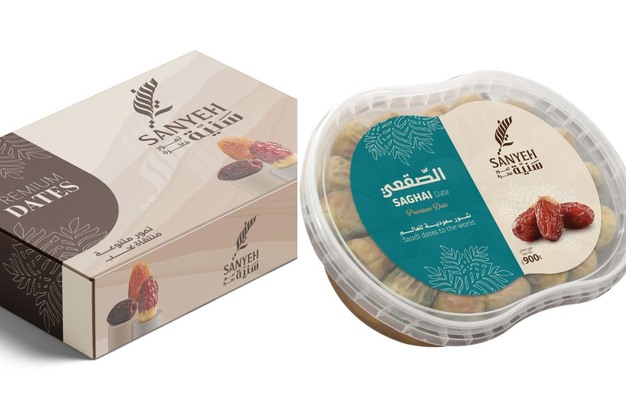 © Sanyeh
The development of the date market remains dependent on necessary investments in infrastructure. Al Nwaisiri concludes, "The date processing industry in our region is obviously still young and requires investment in machinery, and the development of markets globally also requires the availability of sufficient cold storage at destination, as several varieties of dates require storage below 18 degrees."
For more information:
Abdulrahman Al Nwaisir
Sanyeh
Tel: +966 505448219
Email: [email protected]
www.sanyeh.sa