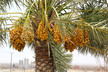
On her 4.6-hectare Skiza Farm in Muvau, Makueni County, farmer Rose Mulu manages nearly 600 mango trees. Each flowering season brings concerns over pests that have long limited access to export markets, particularly the European Union.
"My challenge here is usually the erratic rainfall because we don't get enough rain, meaning that we have no water. Secondly are the pests which have been a problem to me for as long as these trees have been around, forcing me to use a lot of fungicides to control them," says Rose.
Across Makueni, farmers report similar experiences with the fruit fly, a pest that has restricted Kenyan mangoes from entering the EU market since 2003.
A new approach is now being introduced: fruit fly pheromone traps. According to Dr Nehemiah Mihindo, "Pheromone is a protein called methanol which attracts the male fruit fly. The technology also contains brewer's yeast, which attracts the female fruit flies that get inside, thinking they will feed on it. However, once they get trapped inside, they lay eggs, and in the process, fight a pyrethrum insecticide that will kill both the male and the female fruit fly."
The traps, approved by the Kenya Plant Health Inspectorate Service, are designed to target pests without the need to spray entire trees. "The advantage of having the fruit fly is that it also lowers the aspect of pesticides or chemicals when you are spraying because this is a natural way of ensuring that we trap and reduce the fruit fly infestation across the county," explains Elizabeth Muli, Makueni's Agriculture, Livestock, Fisheries, and Cooperative Development executive.
This season, Makueni County distributed 15,000 traps to farmers in pest-prone areas. The programme is part of a wider effort to re-establish access to the EU market, where mango imports are valued at over 10.8 billion US$.
"Fruit flies contribute about 50 per cent of post-harvest loss once mangoes have been harvested. These particular traps should be able to assist farmers to retain their produce once they have harvested it and increase the number of produce that they are now able to export because Makueni County does export a lot of its mangoes," says Lilian Mwai, TradeMark Africa's country director.
She adds that the initiative is part of the Business Environment and Export Enhancement Programme, funded by the EU, which supports smallholder farmers in growing export-ready produce. "The EU alone imports over Sh140 billion worth of mangoes annually. For us, not being able to access that market as we speak is not an advantage to the smallholder farmers. If we can get this market, then it means that we get a better price, which is almost one dollar more per kg compared to other markets."
Makueni produces around 245,000 tons of mangoes annually across 26 of its 30 wards. For farmers like Rose, the use of pheromone traps could help reduce losses and improve export opportunities.
Source: Daily Nation