Apple growers in Northeast Wisconsin are entering the harvest season with a lighter-than-average crop, a result of prolonged cool weather in spring that slowed pollination. While volumes may be reduced, growers emphasize that fruit quality and sizing look promising.
At Hillside Apples in Casco, owner and operator Bill Roethle described the challenges faced this season. "We had a fairly long bloom period because it was cool, but the cool weather didn't get the bees coming out," Roethle explained. "That delayed pollination and ultimately reduced the fruit set on some varieties."
Despite the lighter crop, Roethle stresses that there will be no shortage of apples for consumers this fall. "The net result is the crop will be light. But on the other hand, in years with very strong pollination, the crop is often too heavy and trees struggle to carry the load. This season, the crop load on many trees is closer to optimum, producing fruit with excellent sizing."
Early start for Honeycrisp and Cortland
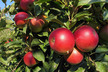
One notable development is the earlier-than-expected harvest window for certain varieties. According to Roethle, Honeycrisp and Cortland apples are set to arrive ahead of schedule, with picking expected to begin in mid-September. "We'll probably be into Honeycrisp and Cortlands by early to mid-week next week," he said.
This advancement is drawing consumer interest, as Honeycrisp remains one of the most sought-after varieties in the region. "Even with a lighter set, we're confident customers will have plenty of opportunities to pick Honeycrisp and other popular varieties this season," Roethle added.
Balancing challenges and opportunities
The situation underscores the ongoing influence of local weather patterns on Wisconsin apple production. "You get what Mother Nature gives you. You don't have a lot of choice," Roethle reflected. "Each season is different, and growers adapt as best they can."
The lighter set could ultimately benefit the market in terms of fruit size and quality. Growers often face challenges when trees overproduce, leading to smaller apples that require more thinning and management. This year's conditions may help balance yields with fruit size, providing a favorable product for direct-market customers and retail outlets.
Regional outlook
Across Northeast Wisconsin, growers are reporting similar trends. While the cool spring impacted pollination, the summer growing conditions—with a mix of heat and adequate rainfall—have supported steady fruit development. Many orchards anticipate slightly reduced overall volumes but are encouraged by the quality indicators so far.
The timing of harvest is also an important factor for the local agritourism sector. Pick-your-own orchards expect steady visitor traffic as families head out for early Honeycrisp and Cortland picking, followed by later-season varieties such as McIntosh and Gala.
Source: fox11online.com