The European ginger market is under pressure from oversupply, driven by global conditions and increased volumes of low-priced Brazilian ginger. Export prices of Chinese stored ginger have declined, and with the new harvest approaching, supply–demand imbalances are expected to continue.
 © One day one
Peruvian ginger has lost market share in Germany and France due to quality and size issues, with more exports redirected to the United States. Brazil's high-volume, low-cost shipments, supported by faster transit times, have intensified competition with Chinese ginger in Europe, leading to further downward pressure on prices.
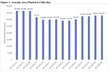
Chinese Customs data show that between January and July 2025, the average export price of Chinese ginger was US$1,241 per ton, a year-on-year decline of 10.79 percent. In the Netherlands, the main destination for Chinese ginger, the average price fell 11.74 percent to US$1,481 per ton.
 © One day one
Prices in Europe remain low, with industry sources noting that consumer demand in recent months has focused more on summer fruits, while ongoing arrivals from Brazil and China have kept inventories high.
According to Yao Changfeng, General Manager of Onedayone Group China, weather conditions in Chinese production regions have been stable this year, pointing to the potential for a strong harvest. Yao noted that as new-season Chinese ginger enters the market in large volumes, supply–demand pressure may further affect European prices.
 © One day one
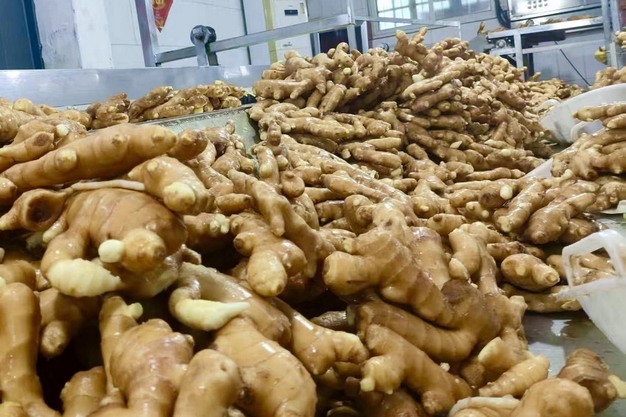
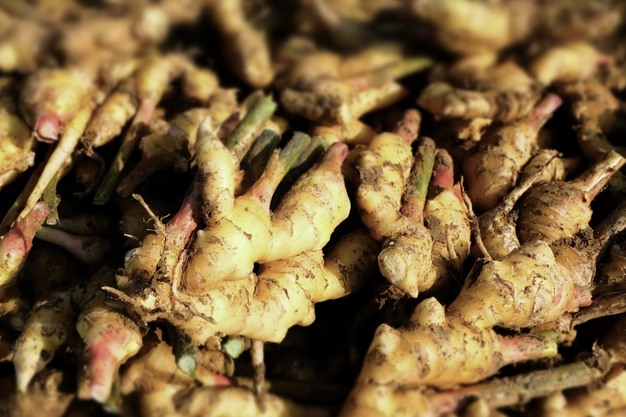
Under current conditions, the company reports that its ginger has passed new EU organic certification audits. Compliance with EU pesticide and fertilizer standards has been documented, and product selection practices have been maintained. Peruvian ginger has traditionally held a dominant position in the organic ginger sector, but its declining share in Europe has opened space for alternative suppliers.
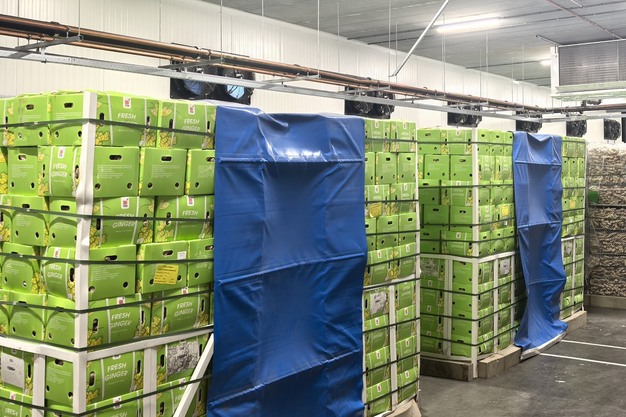
Yao added that the company is adjusting its storage management practices and supply chain operations to strengthen its position in the European market.
 © One day oneFor more information:
Maggie Peng
Onedayone Group
Tel: +86 18717865462
Email: [email protected]
www.onedayonegroup.com