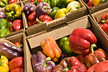
Figures from the Philippine Statistics Authority show that vegetable price inflation rose 10 per cent in August, the fastest increase since January's 21.1 per cent jump. In Metro Manila, vegetable prices climbed 26.5 per cent, compared with a 6.9 per cent increase in areas outside the capital. National statistician Claire Dennis Mapa said the spike reflected the impact of heavy rains in late July, which carried into the following month.
The higher vegetable costs offset a record 17 per cent decline in rice prices. As a result, the overall food index rose 0.9 per cent in August, reversing the 0.2 per cent decline recorded in July.
Overall inflation in the Philippines accelerated to 1.5 per cent in August from 0.9 per cent in July, the steepest rise since March's 1.8 per cent. "While inflation remains broadly manageable, the recent figures highlight how adverse weather conditions directly impact prices," said Economy, Planning and Development Secretary Arsenio Balisacan.
The central bank cut its benchmark interest rate by a quarter point in August to 5 per cent, a level that Bangko Sentral ng Pilipinas (BSP) governor Eli Remolona Jr described as "Goldilocks", neither too low to fuel inflation nor too high to restrict growth. Analysts suggested the latest data may affect monetary policy decisions in the coming months.
Aris Dacanay, economist at HSBC, said, "The upside surprise increases the risk of the BSP holding onto the monetary reins. But we don't think it completely derails the possibility of a rate cut."
Chinabank Research noted that inflation could rise further due to base effects and food and energy price pressures, but added that price gains are likely to remain low. "This could leave open the possibility of another interest rate cut from the BSP before the end of the year," the research group said.
Source: The Star