The Egyptian Medjool date season typically begins in late August, with the harvest extending through September. According to Mohamed Anwar, CEO of Mudga, "This early start gives Egyptian exporters a crucial advantage in the global market before larger volumes from competitors become widely available."
The grower adds that climate conditions were ideal ahead of this season. He explains, "The cultivation of these premium dates is concentrated in specific regions known for their ideal hot and dry climate. The Bahariya Oasis, located in the Western Desert, is a major hub for Medjool date production, boasting advanced farms and quality control systems. Other key areas include the New Valley Governorate and the Siwa Oasis, where government initiatives and investments are supporting the growth of the date palm sector."
 © Mudga
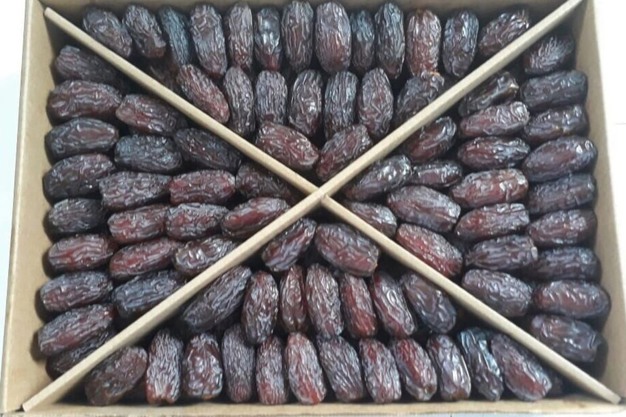
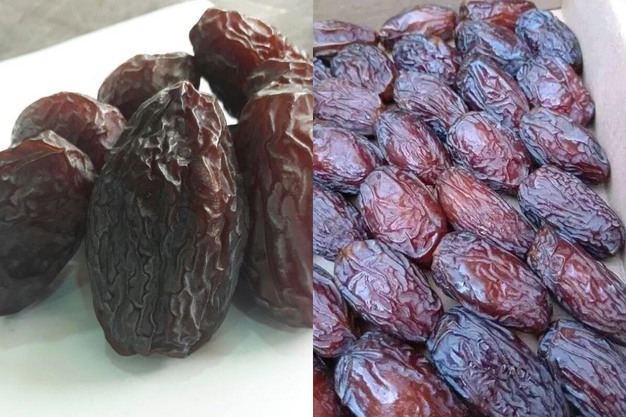
Medjool dates are emerging as the flagship of date varieties and the most sought-after in the international market. Anwar: "The global dates market is a significant and growing industry, with an estimated size of over $29 billion in 2025. The Medjool segment is a dominant force within this market, prized for its large size, soft texture, and natural caramel-like sweetness."
Egyptian dates find their primary homes in the Middle East, North Africa, and Europe. However, the high demand for Medjool dates is leading to a diversification of markets. For 2025, there is a notable increase in inquiries from Asian and Russian markets for Medjool, and Egyptian exporters are successfully entering new territories like Japan, Australia, and Argentina," the grower adds.
 © Mudga
On the downside, Egyptian exporters have to deal with fierce competition, according to Anwar. He explains, "Exporters face stiff competition from other producing countries such as Turkey, Spain, and Israel, which can put downward pressure on prices. Additionally, while the overall quality is up, we have fewer super jumbo sizes this year, though demand remains strong for medium and large dates. Managing efficient supply chains and adapting to varying international import regulations are also ongoing challenges."
"The future of the Egyptian Medjool date industry is bright. The country's strategic geographical location, coupled with continuous investments in agricultural technology, cold chain logistics, and new processing facilities, is strengthening its position as a global leader. The increasing global consumer demand for natural, healthy snacks and the cultural importance of dates during events like Ramadan are powerful drivers. With the sector's rapid growth and expanding market reach, Egypt is well-positioned to capitalize on this promising trend for years to come," Anwar concludes.
For more information:
Mohamed Anwar
MUDGA
Tel: +201064692010
Email: [email protected]
www.mudga.com