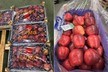
A trade conflict between Washington and Beijing has shifted the market dynamics for cherries, notably affecting prices in Hong Kong. As U.S. cherries face a 58% tariff in China, suppliers redirecting shipments to Hong Kong, which operates a separate customs territory, result in lower prices. This surplus leads to Hong Kong stalls, like those at Yau Ma Tei Wholesale Fruit Market, offering cherries for around $5.10 per pound.
The tariff measures have increased Hong Kong's cherry imports from the U.S. by 118% in April, impacting its role as a re-export hub. Consignments to mainland China dropped 72% in value between February and April. An operations manager at Cheung Hing Fruits noted that U.S. cherries, which were previously $51 for a 5kg carton last July, now sell for $33 to $35. This represents a price decrease of up to 35%.
A senior sales specialist at Kingo Fruits highlighted a surge in daily market volume to 12,000 cartons from 8,000 last year. A trader at Tai Shing Chan Tai Kee remarked on market conditions, stating, "The ones that came by plane are possibly the cheapest in 20 years." Sales volume is up by about one-third from the previous year.
Bumper harvests in the U.S., aided by favorable weather, further contribute to this supply. A saleswoman at Shing Kee Lung observed, "There wasn't as much stock last year; there's more this year, that's why it's cheaper." Other markets, such as Vietnam, report similar trends of price reduction due to Chinese tariffs.
Despite lower prices, Andrew Chan of Cheung Hing Fruits indicated no improvement in gross margins due to a weak local economy and tough competition. The strategy remains focused on "thin profits, high turnover."
Source: myNews