"There is a great deal of potential in the European mango market, but it's important that we move with the times," said Bruno Gioffre of Dole Exotics at the Tropicals Congress, held in Antwerp on 24 and 25 June. "If we really want to achieve this growth, we need to focus on variety innovation, consistent quality assurance, and meeting consumer demands."
 © Jannick Flach | FreshPlaza.com
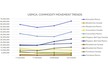
Dole Exotics' commercial manager notes steady growth in mango consumption in recent years. "Consumption in Europe has grown consistently over the past 10 years, with imports rising alongside it. While in 2010 the EU (including the UK, Switzerland, Norway, and Iceland) imported 244,000 tons, by 2023 this had already increased to over 500,000 tons. This growth is mainly driven by increased consumer awareness around healthier lifestyles, boosting demand for exotics. Over the past decade, we've also seen significant investment in mango availability and ripening programmes to ensure consistent quality and volume, something both retail and foodservice sectors are leveraging through promotional campaigns."
RTE and organic
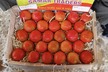
In terms of varieties, Kent and Keitt remain dominant in the EU market. "Around 70% of the market still consists of these two varieties. Tommy Atkins follows at a considerable distance, making up about 15% of volumes. While the first two are particularly valued for their sweetness and juiciness, Tommy Atkins appeals to those who prefer a firmer mango with attractive colour, though lower in quality. Palmer, Ataulfo, and Osteen remain more niche, with 7.5% and 3% market share, respectively. These are especially popular in Southern Europe and premium segments."
Bruno particularly notes a growing interest in organic, Fairtrade, and ready-to-eat (RTE) mangoes. "This trend is especially strong in Northern Europe, in countries like Germany, the Netherlands, and Scandinavia, but we see it emerging across the continent. RTE mangoes are seeing the strongest growth. Consumers no longer want to wait for a mango to ripen—they want to buy it and eat it right away. However, that demands more from the supply chain. Retailers expect shelf-ready ripeness and consistent quality with minimal food waste. For suppliers, traders, and transporters, this means having an optimised ripening and logistics infrastructure. When that's in place, it's possible to stand out from the intense competition in this segment."
 © Jannick Flach | FreshPlaza.com
Bruno Gioffre (Dole Exotics) and Rick Post (Fruitsolute)
Consistent quality demanded
However, this puts considerable pressure on the entire chain. "Inconsistent quality and ripeness on arrival remain major challenges. High production and logistics costs and a complex supply chain make it harder to remain competitive. Retailers want to keep prices low, but production costs are rising sharply. On top of that, different markets have different preferences, so it's no longer just about marketing 'a mango.' It's about which variety, whether it's organic, ready-to-eat, or even pre-sliced, an area that's also growing in popularity. These are all critical factors."
Nevertheless, Bruno remains optimistic about the future of mangoes. "We continue to see growing demand driven by health-conscious and convenience-seeking consumers. So while the focus is increasingly on RTE and organic, as an industry, we need to adapt. That means investing in ripening facilities and the cold chain to ensure consistent quality. We must also maintain our focus on variety, innovation, and explore new opportunities in branding and packaging, such as pre-cut fruit and snack packs."

For more information:
Dole Exotics
www.doleexotics.com