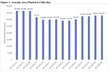
Vietnam's fresh coconut industry has surged in global relevance, emerging as one of the country's top three fruit exports in 2024, with a reported export value of $390 million. This accounts for 31% of total coconut product exports, with major markets like the U.S. and China now officially open to Vietnamese fresh coconuts, as reported and published by Nong nghiep moi truong
This growth is the result of years of coordinated efforts by local authorities, businesses, and the Vietnam Coconut Association. From backyard intercropping to organised value chains, Vietnam now supports over 250 processing facilities, 80 of which engage in deep processing. Large-scale plantations slowly expand, signalling demand for improved varieties and modern farming practices.
Yet the sector faces significant bottlenecks. Most coconut production remains fragmented and small-scale, limiting consistency in size and quality. Transport remains rudimentary, with high logistics costs, while storage and preservation rely on household-level infrastructure. Branding is another weakness; Vietnamese coconuts lack the standardised packaging and labelling seen in competing countries like Thailand and the Philippines.
To strengthen global competitiveness, experts advocate for legal frameworks supporting concentrated farming, standardised variety management, and better post-harvest practices. Regional branding, including geographical indications, and participation in global fairs and digital platforms are also essential. Despite these challenges, Vietnamese coconuts now reach over 40 countries.
Source: Nong nghiep moi truong