Abnormally hot conditions in South Korea are impacting retail prices of summer horticultural produce, notably watermelon and other fruits. Reports indicate the average retail price of watermelon has climbed to 26,091 won (approximately $19.00), marking a 31.7% increase compared to the seasonal average over five years, based on Korea Agro-Fisheries & Food Trade Corporation data. This price is also 26.6% higher than the previous year.
The Korea Rural Economic Institute (KREI) suggests that high temperatures and increased demand are influencing these price jumps. "Shipments from Yanggu in Gangwon, a major production area, should begin in early July," stated Rho Ho-young from KREI. "But heavy rainfall last month and lack of sunshine have delayed harvests. Demand also tends to increase during hotter years, which puts upward pressure on prices."
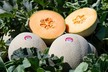
The KREI has forecasted continued elevated watermelon prices due to temperature impacts and higher costs for substitute fruits like Korean melons. In a prior KREI report, it was noted that prices would "remain above last year's levels." They anticipate Korean melon prices will increase again by mid-July.
Additionally, other produce like tomatoes and cucumbers have seen retail price increases. For instance, a kilogram of tomatoes averaged 4,100 won (about $3.00), a rise of 5.7% from the seasonal norm, with cherry tomatoes up 12.7%. Korean cucumbers were noted at 12,318 won for ten (roughly $9.00).
Government and market watchdogs are closely observing the effects of extreme weather on crop yield, especially focusing on vulnerable crops like napa cabbage.
Source: Korea JoongAng Daily