Malawi's banana sector has faced challenges with disease outbreaks, trade disruptions, and neglect. In Thyolo, a renewed interest in banana farming is emerging.
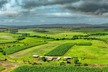
Henderson Kopoland operates in Konzaalendo Village, Thyolo District, and apart from his grocery shop, he manages a distant banana plantation. The plantation is 6.5 hectares of fertile land where banana plants flourish despite accessibility issues. The area's rugged roads have improved, but it remains a focal point for banana farming in Malawi.
Kopoland's earlier crop devastation due to the banana bunchy top virus illustrates the struggle farmers faced. The virus, which national authorities failed to contain, led to the loss of approximately 4,031 hectares of banana cultivation in Thyolo, as reported by the district's agriculture office.
Government and partners' intervention provided farmers with clean suckers to reinvigorate production. Kopoland's cultivation expanded from six suckers to 7,002 banana trees. His focus is on the Williams variety, known for its yield and resilience. Kopoland explains, "The banana production is easier compared to maize and other crops, because with maize you need fertiliser."
A trade dispute with Tanzania highlighted Malawi's reliance on banana imports, leading to discussions between the trade minister and banana growers aiming for local production revival.
Nani Lazaro, Crop Protection Officer at the Thyolo District Council, stated, "Using what we taught them, you should immediately uproot those infected plants." The Agricultural Sector-Wide Approach (ASWAp) programme facilitated access to clean planting materials and farmer training, with NGOs like Self Help Africa contributing.
As a result, a large number of farmers in Thyolo have turned to banana farming, building livelihoods from yields. Kopoland's growth story, from overcoming the virus to community success, has inspired over a hundred new farmers in the region.
Source: Modern Ghana