When you arrive in the Maldives, it's easy to assume the country is overflowing with fresh local produce. Papayas, mangos, watermelons, passion fruits, the hotel buffets, and island markets are packed with them. But here's the twist: Most of that fruit wasn't grown here at all.
Despite being a tropical paradise, agriculture in the Maldives faces real challenges. The islands have salty, sandy soil that's tough to farm. Water is scarce. And with most people working in tourism and fishing, there simply aren't enough hands to work the land. Add the threat of flooding from rising sea levels, and large-scale farming becomes nearly impossible.
Still, that doesn't mean nothing grows here.
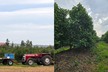
One small island is doing things differently. Thoddoo, located northwest of Malé, is known as the agricultural heart of the Maldives. About a third of the island is covered in fruit and vegetable farms. Locals grow papayas, bananas, pineapples, melons, eggplants, cucumbers, all under the blazing tropical sun.
Every day, fresh harvests from Thoddoo are sent to Malé and beyond. It's not enough to feed the whole country, but it's a big help.
Meanwhile, some smart resorts have taken matters into their own hands, literally. Places like Soneva Fushi have built organic gardens right on the property. Their chefs pick herbs, greens, and vegetables straight from the ground and serve them fresh the same day.
Soneva even has a 100% plant-based restaurant, Shades of Green, sitting in the middle of its lush farm. No plastic bottles, solar-powered systems, and nearly zero waste, this is sustainability in action, island-style.
The Maldives may never be fully self-sufficient in agriculture, and that's okay. But with small islands like Thoddoo and forward-thinking resorts leading the way, the country is finding its creative solutions. It's not about feeding millions, it's about doing what's possible, right where you are.
Source: www.zol.ru