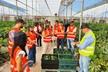
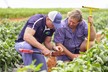
Kenya is working to expand access for its agricultural produce in the United States following a visit to Nairobi by the U.S.-Africa Trade Desk delegation. The team was received by Agriculture Cabinet Secretary Mutahi Kagwe and held discussions with government agencies and exporters in macadamia, grains, fruits, and vegetables.
The visit focused on identifying opportunities to increase exports of Kenyan produce to the U.S. and reduce market barriers. Kagwe said Kenya aims to strengthen private-sector partnerships and improve compliance with international standards. "We are going as private-sector as possible, supporting our producers to meet global demands through better pest control, post-harvest handling, and value addition," he said.
The Ministry plans to continue improving traceability, certification, and export-readiness systems under the Bottom-Up Economic Transformation Agenda. According to the delegation, fresh-cut flowers, coffee, macadamia nuts, and later tea have been identified as priority products for major U.S. retailers.
The visit follows a trip by Kenya's trade mission to the U.S. in September, during which both sides agreed to expand the import window for Kenyan agricultural products. Kagwe said, "Kenya is ready, and we want this partnership to transform livelihoods for our farmers."
Nouvelle Blooms Ltd, based at Jomo Kenyatta International Airport, reported that it has secured agreements to ship more than 4 million stems of Kenyan roses per month to the U.S. The company will also supply specialty Kenyan coffee to American buyers. The delegation visited floriculture and coffee sites in Naivasha and Nairobi, including farms, consolidators, the Coffee Directorate, the Nairobi Coffee Exchange, and cargo facilities at JKIA.
In the macadamia sector, exporters such as Macnut Consortium showcased their readiness to supply the U.S. market. The delegation confirmed that Kenyan macadamia will be among the first products to enter American retail channels.
The partnership is also expected to support imports of agricultural inputs needed for domestic food production, such as ingredients for animal feed, to stabilize supply chains in livestock-related sectors.
Both sides described the engagements as a step toward strengthening Kenya's agri-export competitiveness and improving market connectivity for farmers.
Source: The Star