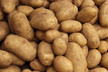
Potato farmers in Bangladesh are facing losses after nearly 3 million tons of surplus potatoes from last season remained unsold in storage. Limited industrial use and high production have driven down prices.
According to the Department of Agricultural Extension (DAE), potatoes were cultivated on 494,900 hectares in FY 2024–25, producing 11.57 million tons. Domestic demand is around 8 million tons, with an additional 1 million tons for seed, leaving 2.5–3 million tons surplus. Farmers are losing 10–15 taka (US$0.09–0.13) per kilogram.
The Department of Agricultural Marketing (DAM) reports 384 cold storage facilities nationwide with a capacity of 3.27 million tons, plus 539 smaller model units. Farmers' total production and storage costs are around 25 taka (US$0.29) per kilogram, while selling prices remain far lower.
Only 3–4 per cent of national potato output is processed into products such as chips or biscuits. In contrast, over 60 per cent of potatoes in countries such as the U.S., Canada, and Belgium are processed for food industries.
Kamruzzaman Kamal, marketing director at Pran-RFL Group, told Bonik Barta, "Pran-RFL Group requires around 20,000 tons of potatoes annually to produce processed food such as chips and biscuits. About 3 to 4 per cent of national production is converted into processed foods. The rest is consumed as vegetables."
He added that unsuitable potato varieties and poor storage practices affect processing potential.
Dr. Md Mosharraf Hossain Molla from the Bangladesh Agricultural Research Institute (BARI) said, "Potatoes are primarily consumed as a vegetable in Bangladesh. Farmers are suffering because a large portion of last season's production remains as surplus. To address this issue, we need to diversify dietary habits."
Agricultural economist Dr. Jahangir Alam noted, "Less than 1 per cent of total production is exported. So farmers face losses nearly every season." He added that investment and training are needed to improve storage, processing, and export capacity.
Source: Bonik Barta