Avocado supply this month looks quite different from this time last year. "It is night and day. We had a very challenging experience last season," says David Billings of Stonehill Produce Inc. That included difficulties related to the crop from Mexico not being on time. After all, this is when Mexico accounts for 90-100 percent of the supply in the U.S. with a major portion of the crop harvesting between November to February. Come March, other regions such as California begin contributing.
Last year though, the Mexican crop never caught up. "All we could find was small fruit. The most popular size 48s, were selling in the $50s last year at this time. Size 40s and larger were in the $60s-$70s range. This year pricing on everything is in the $20s and the larger sizes, 48s, 40s, 32s and 36s are in abundant supply," says Billings, noting that while 90+ percent of the supply is from Mexico, there is also some fruit from Chile, the Dominican Republic and Colombia.
 © Stonehill Produce Inc.
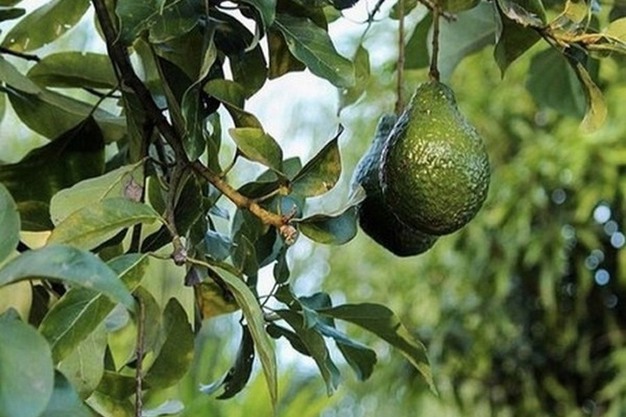
Last year's small sizes
In turn, the industry had to adapt last season and over time switched retail and foodservice customers to smaller fruit. "This year, that process is happening in reverse. Right now, 48s are back. Traditionally they are the most popular size and now all the sizes are promotable. Last year, only smaller sizes were promotable," he says.
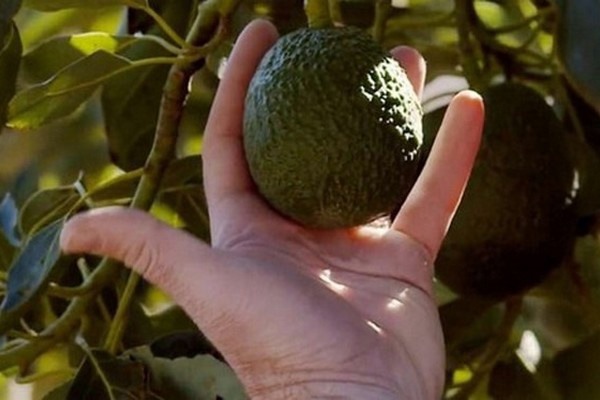
Overall, industry surveys indicate that the crop in Mexico is large which means supply should stay steady, likely through at least January-February. "Come March, we'll have another crop survey with which to figure out if we will have fruit in the same abundance or whether things will start shortening up," says Billings. "A lot of times it's about the tree itself. If you don't relieve the tree of some of its fruit earlier, it's not going to be able to support what's left on the tree for later. Typically, these trees have four to five months, on various schedules based on their altitudes, to get cleared up."
As for demand, it seems to be responding to that good supply. Billings notes that demand is +11 percent compared to the same four weeks last year and that's a figure that's been increasing steadily. "If you go back two weeks, it was up nine percent and before that it was seven percent and before that, five percent. So, given the current validation of crop size there's potential to support additional demand growth," he adds.
 © Stonehill Produce Inc.
Avocados and October
This growth also started to happen in October–a month where typically fall specialty items such as pumpkins and apples are in great demand and avocados often see less activity than normal. "It seems the promotability and the attractiveness of using avocados to beef up the bottom line is starting to change some attitudes," says Billings.
In all, stability in supply and pricing puts avocados in a favorable position. "Everybody relies on stability. If you can stay stable for some time, everybody will jump on and take advantage of the promotability. Last year, dealing with prices in the 70s, having difficulties sourcing, etc. is still a vivid memory," he says, noting that after the start of 2026 is when buyers may start to wonder if that supply will stay as stable. "Though looking at it for 20 years or so now, the prospects this season for an extended run of stability out of Mexico have never been better."
 For more information:
David Billings
Stonehill Produce Inc.
Tel: +1 (949) 488-9613
[email protected]
www.stonehillproduce.com