For more than six decades, the Michigan Vegetable Council (MVC) has represented growers, processors, and shippers across the state, advocating for research and industry collaboration. Central to this has been its long-standing partnership with Michigan State University (MSU), which supports research and extension programs focused on improving vegetable production.
"Just about everything we do in research and education is tied to MSU AgBioResearch and MSU Extension," said Greg Bird, MVC executive director. "Over time, the MSU team has been tailored to fit the agriculture industry needs, especially for vegetables."
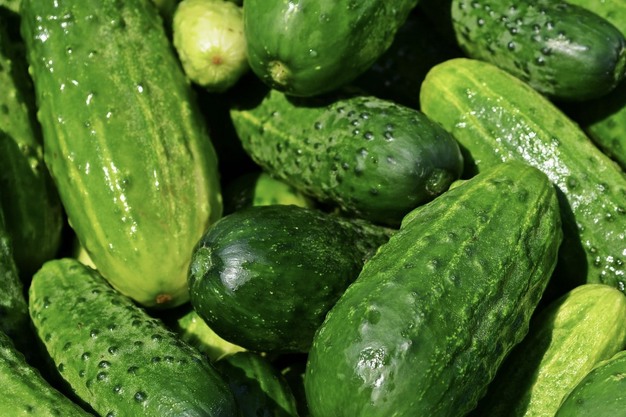
According to the Michigan Department of Agriculture and Rural Development, the vegetable industry contributes more than US$428 million annually to the state's economy. Vegetables are grown on over 3,000 farms, with Michigan ranking among the top producers of asparagus, cabbage, celery, cucumbers, green beans, onions, potatoes, and tomatoes.
 © MSU
© MSU
Research coordination is supported through Project GREEEN, a collaboration between MSU, the Michigan Plant Coalition, and MDARD. The program focuses on addressing production challenges and improving pest and disease management. One example is the development of a downy mildew monitoring system to help vine crop growers respond to disease risks.
Bird said water management remains a key issue for the sector, with MSU's Agricultural Resiliency Program addressing efficient water use and economic stability in production systems. "One of our biggest problems in the vegetable industry is related to water — having enough quality water on the farm and using water efficiently," he said.
Growers across Michigan have collaborated directly with MSU researchers. Onion grower Nate Brink said, "No matter how many years of experience you have growing a crop, you always have moments when you scratch your head. To be able to reach out to MSU staff is very helpful." Celery producer Mike Bosch added, "Hosting research trials has been a big thing for us. The data we're able to collect is very beneficial, and we're able to see the results firsthand."
Both growers cited MSU's role in addressing diseases such as Stemphylium and in improving fertilizer management and soil health through ongoing trials.
Bird said continued funding for MSU research remains a key priority for the vegetable industry. "Growers are presented with an abundance of challenges, and MSU helps them deal with so many of those," he said. "For many, research is the most important thing to help them continue to be profitable."
To view the full report, click here.
For more information:
Michigan State University
Tel: +1 517 355 1855
Email: [email protected]
www.canr.msu.edu