Once again this year, the early vegetable season in Morocco is more than a month late, which seems to have become a new trend due to adverse summer weather conditions. Mohamed Ait Elmkadem, general manager of Orisud, explains the causes and consequences of this delay.
The Agadir-based grower says, "The delayed start to the campaign is a clear manifestation of climate change hitting Morocco. It has been amplified this season by the heatwaves we experienced this summer, which dealt a severe blow to producers and complicated planting, and therefore the entire export season."
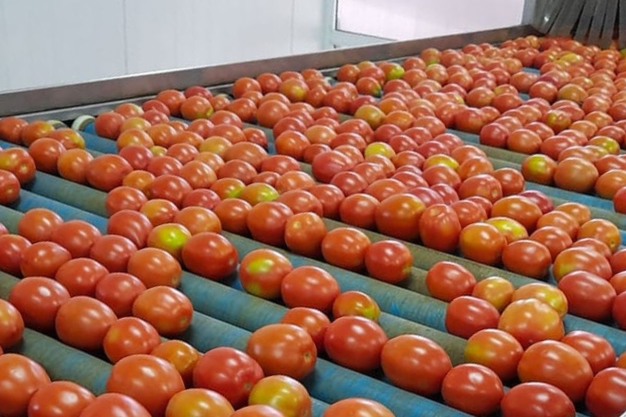 © Orisud
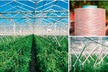
According to Ait Elmkadem, heat waves, particularly the one in August, caused significant losses of tomatoes and other early vegetables that had just been planted. He adds: "The plantings that usually take place in July and August, whose harvests open the season in late September and early October, were severely affected. Furthermore, many growers were reluctant to replant immediately for fear of viruses affecting tomatoes and peppers, which cause more damage in high temperatures."
Replanting was then complicated by a seed shortage. The grower explains: "It is difficult to find seeds, which has further delayed replanting. Some producers in the region have not yet replanted their fields, while others are just beginning to do so. And many of them have had to convert their greenhouses to other products due to the lack of seed availability."
The products most affected are varieties of tomato segmentation and peppers, while round tomatoes are less affected, according to the grower. "The delay will not impact overall volumes, as the gap in volumes will be filled later in the season, around March/April," he adds.
The actual start of the season is expected in mid-November, as other complications are expected to arise at the commercial level. Ait Elmkadem says, "This long delay means a difficult season in terms of marketing. Firstly, growers have been unable to fulfill their contracts. Secondly, large volumes of tomatoes, peppers, and other products will arrive on the market simultaneously, which will inevitably lead to a drop in prices. It is unlikely that we will see the usual price peaks in January/February."
For more information:
Mohamed Ait Elmkadem
Orisud
Tel: +212661185219
Email: infos@[email protected]
www.orisud.com