© Jucker Farm AG
The end of October is approaching, and with it, the Swiss pumpkin season is now nearing its annual peak. "In terms of yield, 2025 was a very good pumpkin year with excellent growing and weather conditions and little disease pressure. We had hail damage on some plots, which downgraded the produce to 2nd grade. In terms of marketing, we are slightly below last year's level, although it must be said that 2024 was an absolute record year. Weather-wise, September was also very nice, which is why consumers were less focused on edible pumpkins," sums up Benjamin Keil, farm manager at Jucker Farm AG, one of Switzerland's largest pumpkin producers.

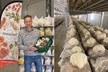
Farm manager Benjamin Keil
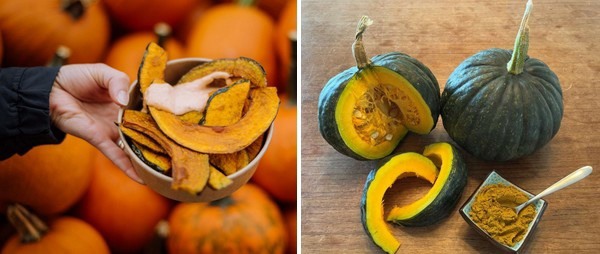
After a weaker previous month, marketing picked up strongly in October. Keil: "In the weeks leading up to November, marketing is accompanied by additional listings and promotions in Swiss food retail. Our main customer, Coop, offers the complete range of edible pumpkins, but there are also food retail customers who carry a reduced range due to limited shelf space. Although the classic main varieties, Hokkaido and Butternut, remain the focus, the secondary varieties are also enjoying increasing popularity. Spaghetti squash, for example, is becoming increasingly established as a 'low-carb alternative' to pasta. The originally Japanese variety Tetsukabuto is also gaining in importance, as it is very suitable for frying. We want to continue to promote both varieties in the coming years and are already planning to expand the area under cultivation accordingly." Ready-to-cook product concepts are responding to the growing demand for edible pumpkins, he adds.

Insight into the pumpkin warehouse of Jucker Farm AG
Stable prices characterize the pumpkin market
Jucker Farm AG is dedicated to the cultivation and distribution of a wide selection of conventional edible pumpkins. Keil confirms that the price structure has been quite stable across the entire range. "Due to the abundant supply, we had to accept slight price reductions from some of our trading partners. Otherwise, we expect prices to remain stable even after the peak season. From November onwards, the range will gradually become smaller: We expect to be able to offer butternut and Hokkaido pumpkins from our own Swiss cultivation until January, and we have now also received confirmation from the food retail sector that the season will be extended, meaning that we will then be able to supply imported goods from Portugal (as reported by FreshPlaza)."
 © Jucker Farm AG
Tetsukabuto
For more information:
Benjamin Keil
Jucker Farm AG
Dorfstrasse 23
CH-8607 Seegräben
Tel: +41 44 934 34 84
[email protected]
www.juckerfarm.ch