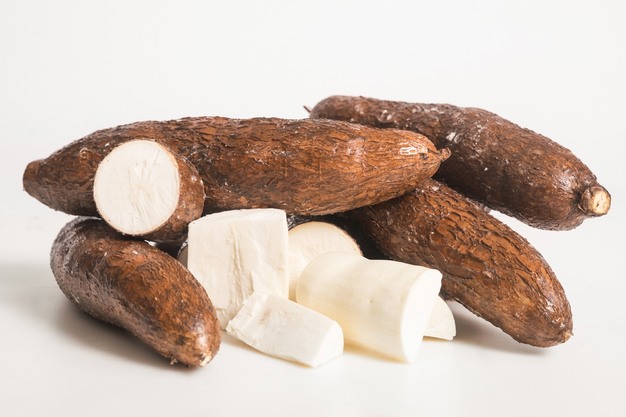
Costa Rican cassava has transitioned from being a niche ethnic food to a more prominent presence in the U.S. and European markets. Vanessa Vega from CR Farm explains that this tuber, traditionally enjoyed by Latin American and African communities, is discovering new opportunities due to its versatility and functional properties.
"For a long time, cassava was considered a niche product, but today it is used in gluten-free breads, biscuits, and snacks, which has increased its demand in the global market. This shift in perception reflects growing consumer interest in gluten-free and more natural products, leading to its inclusion in specialized diets," says Vega.
 © CR Farm
In Costa Rica, cassava is grown year-round, but its production is increasingly affected by weather conditions. "This year, we have had less volume due to heavy rains in recent months," Vega said. Despite this, demand stays high, especially in markets like the United States and Europe, which each receive nearly equal shares of exports.
In terms of prices, the market has been trending upward. "The price has improved considerably compared to last year, largely because of the lower supply," she added.
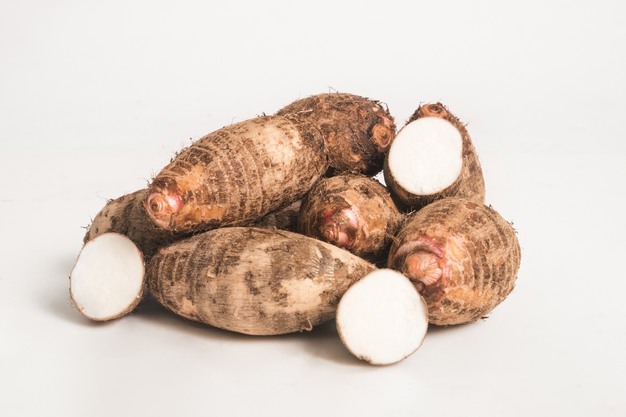
While cassava remains a niche product, it is gaining more recognition, not only as a traditional food but also as a base for innovative products. "In the United States, it is still seen as ethnic, whereas in Europe, it's considered an exotic item. Still, its uses are expanding, and more consumers are adding it to their diets," Vega stated.
 © CR Farm
Logistics have not hindered the sector's growth. CR Farms primarily exports by sea using 18-kilo boxes and partners with reliable logistics companies to ensure on-time deliveries. Additionally, the company meets the strict certifications required by European markets, such as GlobalGAP.
Aside from weather issues, a major challenge in agriculture is the declining availability of labor. "There are fewer people available for sowing and harvesting. International agencies like FAO and USDA ERS project that, by 2050, global agricultural output must grow by at least 50 percent to satisfy rising demand. Failing to achieve this could result in a shortfall in global supply," Vega warned.
The situation concerns the entire sector, which sees a decline in generational renewal in the countryside while global food demand continues to rise. "We need more growers. It is not enough to think about technology; we need to think about who produces our food," she concluded.
For more information:
Vanessa Vega
CR Farm
Costa Rica
Tel: +506 6314 1562
Email: [email protected]
www.crfarmproducts.com