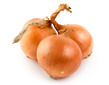
In January–August 2025, Tajikistan produced just over 500,000 tonnes of onions, marking a 27.3% decline compared to the same period in 2024, according to the Agency on Statistics under the President of Tajikistan.
Production decreased in nearly all regions except Sughd, where output rose 16.3%, reaching 123,000 tonnes. The sharpest decline was registered in Khatlon Province, down 37.7% to around 311,000 tonnes. In the Districts of Republican Subordination, output fell by 20.1% to 66,000 tonnes, while in GBAO (Gorno-Badakhshan Autonomous Region) production dropped 10.1%, totaling just 242 tonnes.
Farmers and agronomists attribute the slump to drought, water shortages, and rising production costs. Many producers cut onion acreage this season due to low profitability in previous years and higher prices for seeds, fertilizers, and fuel. Crop diseases and limited access to plant protection products further reduced yields. The lack of modern storage and processing facilities also contributed to post-harvest losses.
With supplies shrinking, domestic prices surged. In September 2025, the average retail price of onions reached 3 somoni/kg, compared to 2.6 somoni a year earlier, a 23.5% increase. Rising fuel and transport costs have further driven up retail prices.
Exports have also dropped dramatically. From January to August 2025, Tajikistan exported just 4,700 tonnes of onions, compared to 29,000 tonnes worth $3.2 million last year. Farmers have shifted sales to the domestic market, where demand and prices are higher.
Meanwhile, Uzbekistan and Kazakhstan continue to dominate regional exports with larger volumes and lower prices, reducing Tajikistan's competitiveness. Experts warn that without state support, affordable credit, and post-harvest infrastructure, the sector will remain vulnerable to climate and market fluctuations, undermining national food security.
Source: asiaplustj.info