The dragon fruit market has been under pressure this year. According to red-fleshed dragon fruit sellers, prices for several batches harvested between September and October generally ranged from ¥1.6–2.8 (US$0.22–0.38) per kilogram, marking a record low in recent years. Industry insiders note that such low prices have rarely, if ever, been seen before.
 © Longyisheng
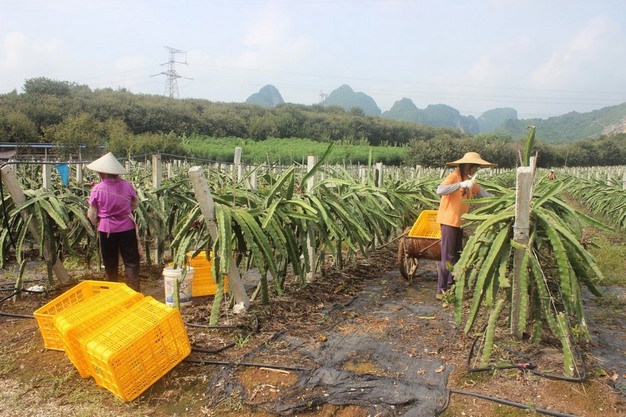
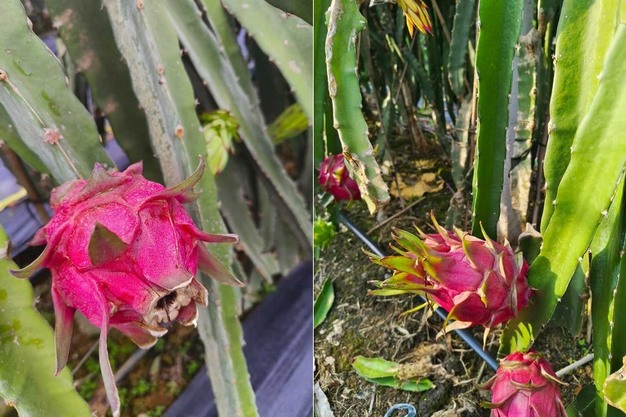
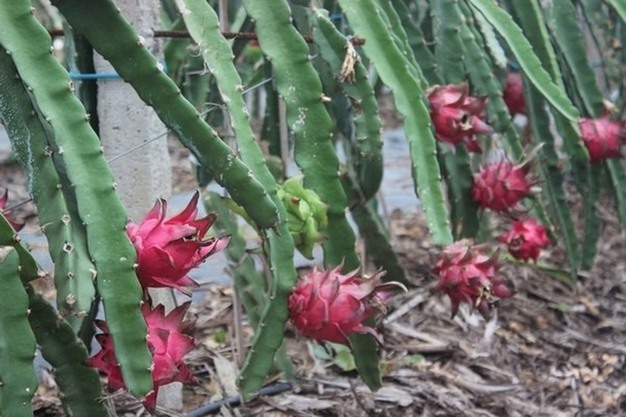
The Longyisheng Dragon Fruit Base in Nanning, Guangxi, covers approximately 53 hectares, producing around 3,000 tons of red-fleshed dragon fruit annually. Manager Dong explained, "Nanning, Guangxi, is a major production area for domestically grown dragon fruit. The region can harvest 8 to 10 batches of naturally grown fruit annually from June to the end of November, followed by two additional batches cultivated under artificial lights, with sales continuing until February of the following year."
So far this year, the base has harvested about 10 batches, with over 5 batches sold at prices below ¥2.4 (US$0.33) per kilogram. In comparison, prices at the same stage in previous years typically ranged from ¥3–3.6 (US$0.41–0.49) per kilogram. Currently, the cost of planting dragon fruit exceeds ¥2.4 (US$0.33) per kilogram, meaning that even with smooth sales, profit margins remain extremely tight.
Industry insiders attribute this year's low prices primarily to weak consumer demand. It is not only dragon fruit; other fruit categories have also seen declining prices and slower sales. While some large enterprises maintain higher prices through premium channels, most small and medium-sized growers are struggling to remain profitable.
Previously, Vietnamese red-fleshed dragon fruit imports were substantial, impacting the domestic market. Although imports have decreased recently, they have not significantly stimulated market recovery, and overall sales remain slow.
 © Longyisheng
The harvest of naturally grown dragon fruit is now in its final stages, and many growers are pinning hopes on the upcoming artificially cultivated batches, expecting a price rebound. If prices reach around ¥5 (US$0.68) per kilogram, there would be some profit margin. However, rising electricity costs continue to pressure planting expenses. It is estimated that maintaining a 1-hectare dragon fruit orchard incurs at least ¥6,000 (US$820) per month in electricity costs. If fruit prices do not reach ¥5 (US$0.68) per kilogram, profitability will be extremely difficult.
Manager Dong added, "Our red-fleshed dragon fruit has a sweetness of 14%–16%, with an attractive shape and delicate texture. Certain regions in China are highly suitable for dragon fruit cultivation, but consumer awareness has been limited in the past. With the increasing popularity of domestically produced dragon fruit, planting areas have expanded rapidly in recent years. In 2018, Nanning's dragon fruit planting area was 2,667 hectares, growing to approximately 12,000 hectares by 2020, nearly quadrupling in three years. However, due to sluggish market conditions over the past two years, many growers are now considering transferring their land or switching to other crops."
 © Longyisheng