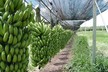
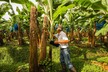
The banana industry in Urabá, northern Colombia, is currently experiencing a period of contrasts. According to Felipe Echeverri Zapata from C.I. Agrogaira, while the 2025 season has produced exceptional yields, it has also been plagued by economic and logistical challenges that could threaten the sector's competitiveness.
"This year, it rained in December, January, February, and March, something that hasn't happened in over 50 years. This resulted in high-quality fruit and a 20% increase in productivity. However, this production boom coincided with a revaluation of the Colombian peso, which has gone from 5,000 to 3,800 pesos per dollar, cutting margins by approximately $1.70 per box," Echeverri pointed out.
 © CI Agrogaira
"We are losing competitiveness and profit margins. If this trend continues, many farms will not be able to survive," warned the businessman, who belongs to the third and fourth generations of a family dedicated to banana farming in Turbo, Antioquia.
Currently, Agrogaira primarily exports to England, France, Germany, Italy, and Ukraine, with weekly shipments ranging from 9 to 11 containers. It also occasionally supplies fruit to markets like Croatia, Serbia, Poland, and Lithuania. "The British market favors us because it prefers shorter fruit, which suits our natural conditions," Echeverri stated, highlighting how Brexit has positively impacted the demand for Colombian bananas.
 © CI Agrogaira
The company holds contracts with European buyers, including Fyffes, Direct Fresh, and Allfruesh, which supply chains such as Sainsbury's, Asda, and Carrefour. This helps them maintain stability despite volatility in the spot market. "We don't speculate on prices; we work under contract in most cases," he said.
However, operating costs keep rising. "Colombia is an expensive country; energy, water, gas, fuel, and rents have increased, but not because of productivity," he stated. This pressure adds to the logistical challenges ahead with the upcoming opening of the Port of Antioquia, which will replace the current terminals of Zungo and Nueva Colonia.
 © CI Agrogaira
The maximum distance has increased from 15 to 50 kilometers, which could make transportation more expensive and cause bottlenecks. Poor road infrastructure could worsen these problems, increasing logistical costs, he added.
The region manages diseases such as black sigatoka, moko, and Fusarium race 4 (although the latter has not yet reached Urabá). "Moko is complex because it can reappear during floods," he explained.
 © CI Agrogaira
Despite the challenges, Echeverri emphasized the importance of Fairtrade in enhancing working conditions within the industry. "Fairtrade transforms the mentality of the worker and generates long-term commitment. It has allowed us to build fairer and more sustainable relationships."
According to him, amid exchange rate volatility and logistical issues, "Colombian bananas have potential, but they require stable macroeconomic conditions and supporting infrastructure for their development."
 For more information:
Felipe Echeverri Zapata
C.I. Agrogaira
Colombia
Tel. +57 320 694 1494
Email: [email protected]
www.agrogaira.com.co