The start of the citrus season has been slower, mainly due to biological factors that have caused the fruit to ripen later, as well as the overlap with the end of the mandarin season in the Southern Hemisphere.
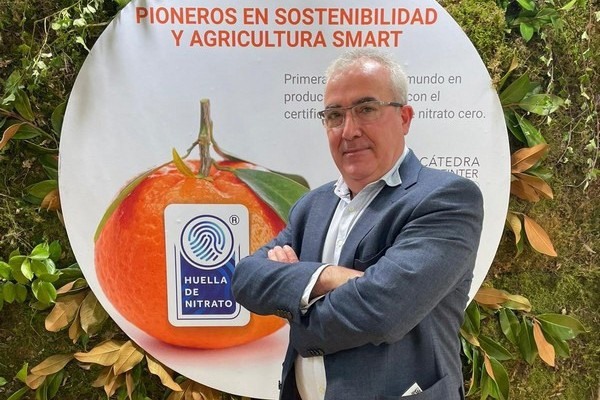
"The transition between the two hemispheres is going according to plan. More and more easy-peeler mandarins are being imported from the Southern Hemisphere for longer periods of time. As a result, early domestic varieties are overlapping in the market with those competitors," says Frutínter Manager Javier Usó.
 © Frutínter
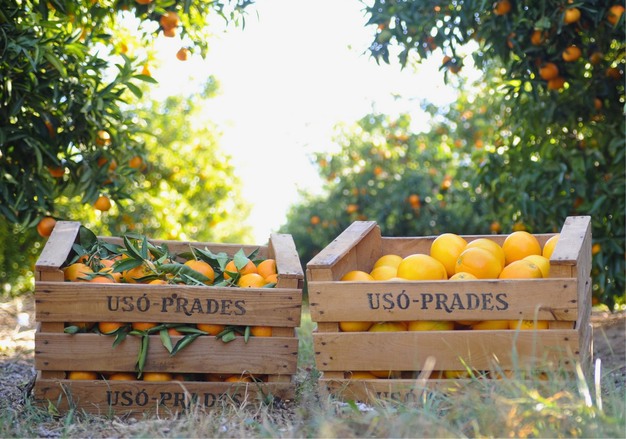
"Given that it's impossible to compete against these products in terms of prices, we are committed to differentiating ourselves through quality and added value. This includes offering mandarins with leaves, developing customized packaging, and guaranteeing traceability and freshness, which growers in the Southern Hemisphere cannot match," he says.
With headquarters in the municipality of Onda, in the Spanish province of Castellon, and packing plants also in Villarreal and Seville, as well as distribution centers and sales outlets in Mercabarna and Mercamadrid, Frutínter handles between 130,000 and 135,000 tons of citrus fruits annually. With such volumes, the company is consolidating its position as one of the leaders in the fruit and vegetable sector.
A lower clementine production is expected this season. "The drop in production is mainly expected for the mid-season varieties, such as the Clemenules and Clemenvilla," says Usó. "However, the early varieties are more widely available, and a more abundant and better quality crop is expected for the second part of the season."

"We don't think there will be any shortages, as second-season mandarin varieties are entering the market earlier and this is allowing us to maintain a continuous and stable supply," he says.
Unfavorable market response to the high prices of early clementines
Field purchase prices during the summer have been high, especially for varieties such as Oronules, Clemenules, and other extra early varieties. However, according to Javier Usó, the market response has been unfavourable in the case of early varieties.
"The fruit has ripened between 10 and 15 days later than expected, which has led to an accumulation of supply volumes. As a consequence, sales prices in many cases do not match the commitments made with the growers. Oronules prices are currently very low, and there is still a considerable amount left to be harvested. This scenario sets a worrying precedent for the Clemenules, the next variety to be marketed."
"To achieve the returns agreed with growers this summer, prices will have to go up; a difficult, but not impossible task. As the oversupply is gradually reduced, we are confident that demand will help in stabilizing and raising price levels," says Usó.
As far as oranges are concerned, the season has already kicked off with the Navelina variety. "Forecasts point to a normal production across the whole range of varieties. In the specific case of the Navelina, this year we are seeing a higher quality product, as well as adequate prices that have so far been well accepted by the markets," he says. "Thanks to this improvement in quality, the marketable volume is expected to increase, and consumers will receive a more attractive and homogeneous product."
Lower supply from third countries this year, although their production appears to be on the rise
"In some producing countries in the Mediterranean basin, there may be a temporary drop in production volumes this year, but overall, the market's structural tendency points towards growth. This is due to the entry into production of new plantations, which are causing the supply to increase every year," says the manager of Frutínter.
"Therefore, although there may be temporary opportunities to achieve higher prices, international competitive pressure remains strong. The key to maintaining a solid position in the market will be to seek differentiation in terms of quality, service, and added value," he says.
According to Javier Usó, "in the current circumstances, it will be difficult for this season to be fully positive for all links in the chain. It's not impossible, but the challenges we are facing, such as pressure on prices, international competition, volume management, and product quality, will make it difficult for all links in the chain (growers, marketers, and distributors) to obtain optimum results. A coordinated effort and a clear strategy will be necessary to balance interests and achieve the most profitable campaign possible." For more information:
Frutinter
Tel.: +34 964 506310
[email protected]
www.frutinter.com