The supply of garlic looks plentiful. "From where things started out of Mexico and Spain, it looked like things were going to be really short the whole season and it didn't unfold that way," says Kian Fattahi with Global Farms Enterprises.
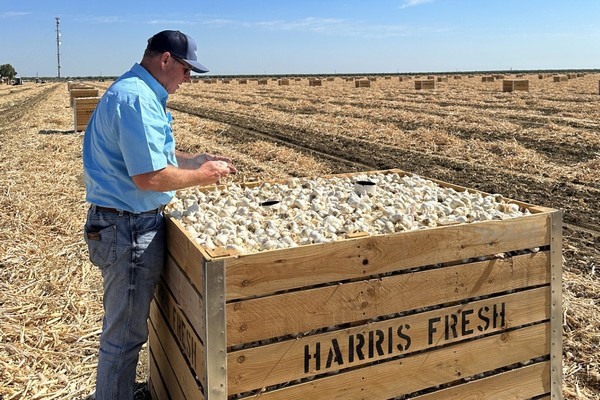
As he notes, back in the U.S., garlic yields and quality were very good on both early and late varieties out of California and the company is concentrating on putting enough garlic away into cold storage. "Spain didn't have a good crop this year so entering the California season, it was as short as we've seen it. It was very competitive to get what garlic was available out of Mexico. For California we're hearing the yields were close to 80 percent in some fields," says Fattahi. "Some of the market has slowed down but we like where things are looking headed into the second half of the season."
Meanwhile reports indicate that Argentina's garlic crop is up about 30 percent and that includes larger sizes this season that weren't available last year. "Argentina is back to a more normal season. Last year was really tough. There were really small sizes and it created a really, really tight situation and no one got their needs fulfilled," says Fattahi, adding that that meant shippers were anxious to get the garlic season starting out of Mexico which raised pricing right away.
 © Global Farms Enterprises
Destinations for Argentinian garlic
The other factor influencing garlic from Argentina is the fact that the country's main garlic export market is Brazil. However Brazil has seen increased shipments of Chinese garlic. So while some of that garlic is destined for Europe, the U.S. might be the next best place for it.
While the company generally has program business, this is all happening entering the holiday season–peak usage for garlic. "Our main concern right now is just putting enough good quality California garlic away so we don't have any issues for our usual business during the holiday season," adds Fattahi.
As for pricing, tariffs are complicating the issue. "With tariffs on China, there was a time that garlic got so expensive that it was above $100 a box on Chinese garlic. That really put pressure on Mexican garlic," says Fattahi, noting that pricing can fluctuate. "It remains to be seen how tariffs will play out, particularly on garlic from China–it had a lot of garlic this year. However, the barriers to bring product into the U.S. made it quite expensive. How that plays out is going to affect everything."
In the meantime, costs to shippers also continue to increase, particularly on logistics right now. "Port costs are also increasing. Moving a container now from the port is much more expensive as it used to be a few years ago," says Fattahi.
 For more information:
Kian Fattahi
Global Farms Enterprises
Tel: +1 (323) 415-6000
[email protected]
www.global-farms.com